
a Conversation with Joe Cordina, Executive Chairman of Gozo Channel (Operations) Ltd
For many Maltese and Gozitans alike, the white-and-blue ferries of the Gozo Channel are part of daily life. They carry students to university, families to hospitals, contractors to worksites, tourists to the island’s timeless coastlines and also make possible internal tourism. In the middle of this vital movement stands Joe Cordina — a Gozitan by birth, an accountant by training, and, for over a decade, the steady Chairman of Gozo Channel (Operations) Limited.
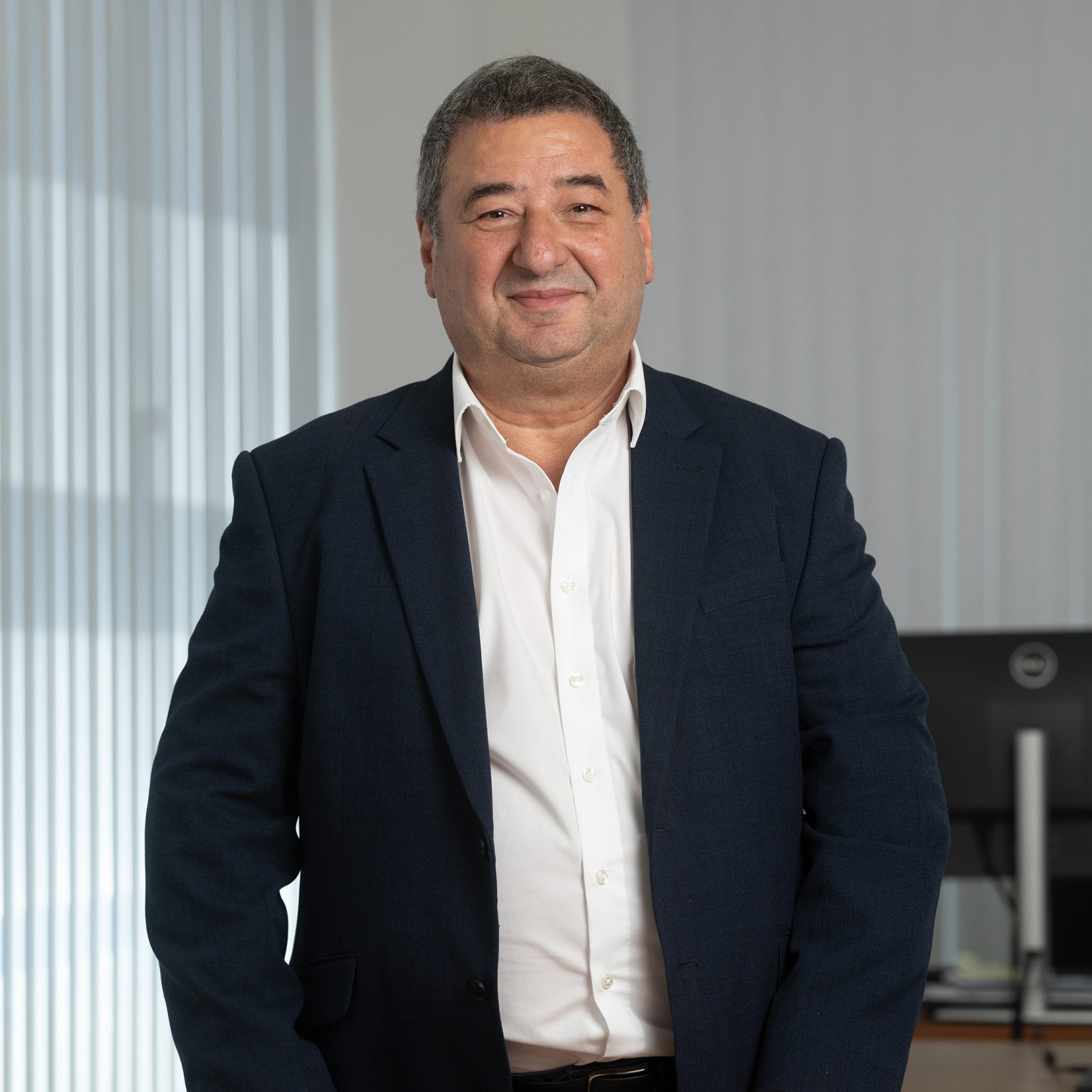
Joe Cordina’s path to the ferry decks was never planned in any traditional sense. He spent more than 15 years working in banking and then founded his own accountancy practice — now run by his son — all the while serving as Mayor of Xaghra for 12 years and the Head of the Maltese delegation in the EU’s Committee of the Regions. When he stepped into the Chairman’s office in 2013, he found a company burdened by consistent losses, ageing assets and growing public expectations.
In 2024 the fleet has carried about six million passengers and more than two million vehicles, across over 35,000 crossings
But as he tells it, the solution wasn’t just financial rigour – it was about respecting the responsibility that comes with operating a lifeline.
A Lifeline by Sea
To understand Gozo Channel is to understand its absolute centrality to the islands’ modern life. Since its formal launch in 1979, the company’s ferries have provided the principal link between Gozo and Malta.
In 2024 the fleet has carried about six million passengers and more than two million vehicles, across over 35,000 crossings – figures remarkable for a channel only seven kilometres wide.
“When I became Chairman, the company had a social obligation and a commercial reality,” Cordina says. “As a Gozitan myself, I knew what it means when the ferries don’t run well – it touches everyone.”
The company runs a robust year-round schedule, which during peak periods can mean a ferry every 15 to 20 minutes
The service is a public utility and commercial hybrid. Its main arm, Gozo Channel Operations Ltd, is wholly owned by Gozo Channel Holdings Ltd, itself owned by the Government of Malta. This structure, introduced during Cordina’s tenure, strengthens the company’s position when tendering for the Public Service Obligation (PSO) that underpins the ferry service – a crucial mechanism which recognises that some routes, though essential, cannot survive on fares alone.
Product Portfolio and Everyday Necessities
On paper, Gozo Channel provides scheduled passenger and vehicle ferry services – but the reality is more layered.
The company runs a robust year-round schedule, which during peak periods can mean a ferry every 15 to 20 minutes.
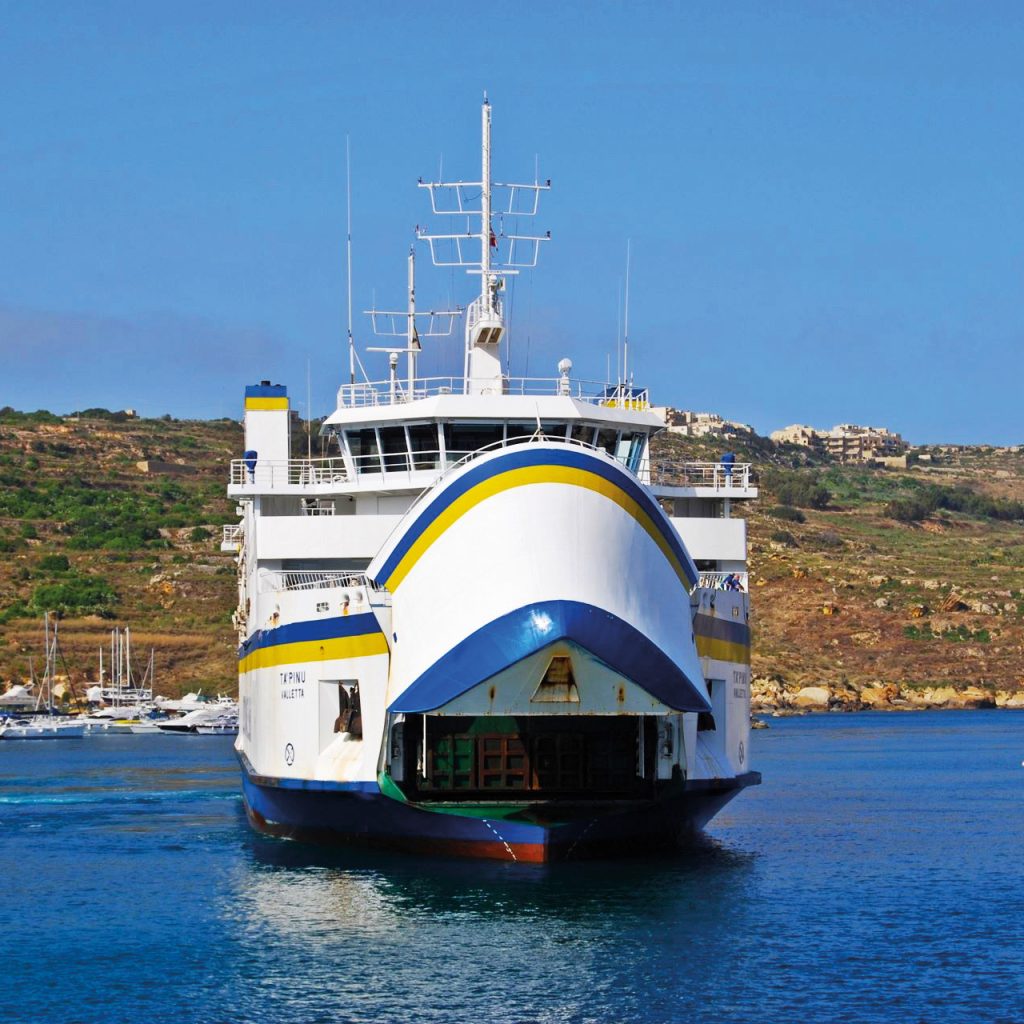
There are early morning crossings for students and workers, late-night trips for festivalgoers and returning visitors, and shuttle services during national holidays and weekends when demand surges.
Alongside cars and foot passengers, the ferries carry commercial vehicles – a critical conduit for Gozo’s retailers, hotels, and industries that depend on daily deliveries from Malta. “There was a time when missing the last ferry meant waiting hours. Now, in peak periods, you wait minutes. That’s the level of service people deserve, and can now expect,” Cordina says.
Within three years of his chairmanship, Gozo Channel’s profit swung from a loss of €1.5 million to a healthy profit
The portfolio’s backbone is its fleet: MV Malita, MV Gaudos, MV Ta’ Pinu, and the chartered MV Nikolaos. Each has become a familiar silhouette on the channel. Keeping these vessels sea-worthy and reliable is a constant operation: “They may be over twenty years old now, but we maintain them carefully, investing heavily to ensure they’re safe and efficient,” Cordina explains.
Finding Financial Balance
Inheriting a loss-making company was no surprise for Cordina – but allowing it to remain so was never an option. His accounting background shaped his approach: internal controls, clearer reporting lines, and accountability across operations. “We had to ensure that income and expenses balanced sensibly. The PSO helps cover what the fares alone can’t, but the rest must be managed wisely.” Measures included tightening procurement and strengthening maintenance planning.
while a typical commercial company might trim frequency to maximise margins; Gozo Channel does the opposite when the public good demands it
The impact was visible. Within three years of his chairmanship, Gozo Channel’s profit swung from a loss of €1.5 million to a healthy profit that feeds back into the fleet’s upkeep and future upgrades rather than private profit.
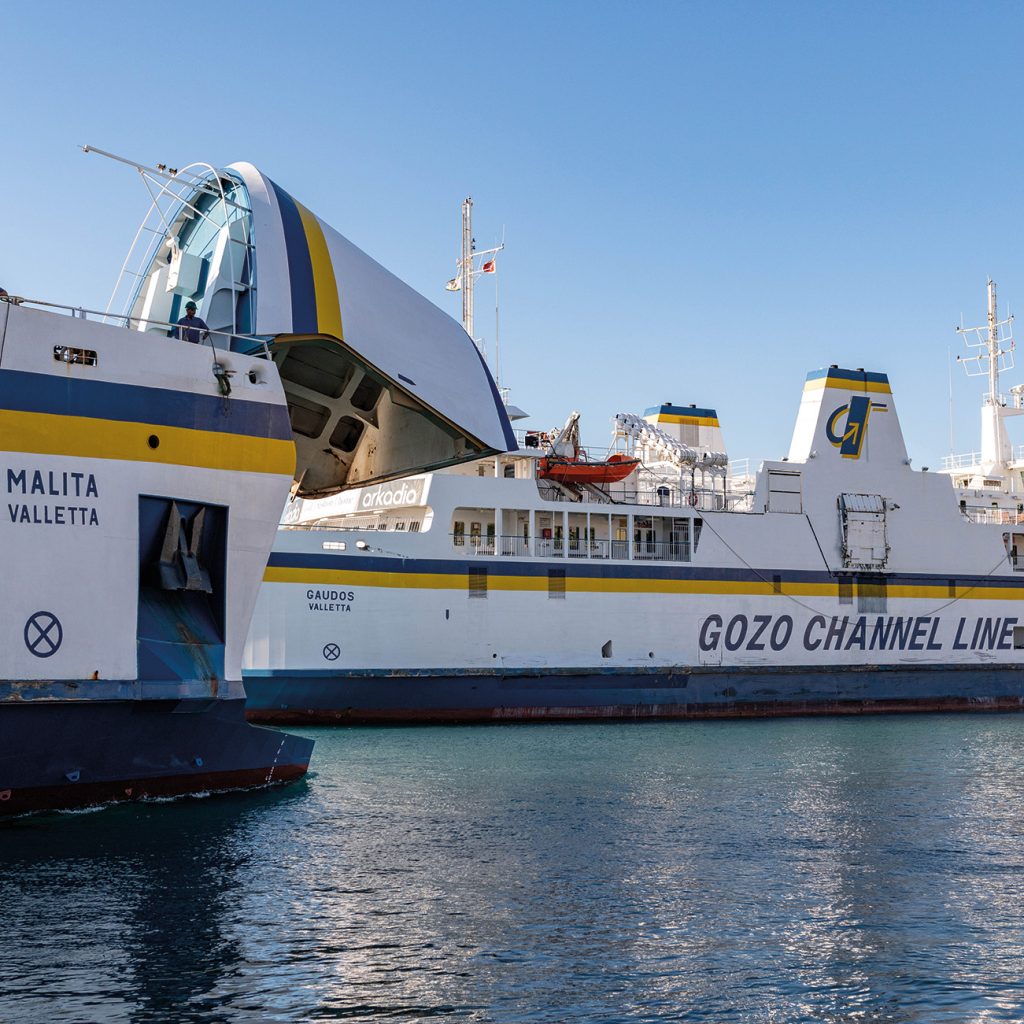
While profitability provides financial stability, the company’s deepest currency remains trust. “This is not a luxury service but a true necessity,” Cordina stresses. “Students, patients, tourists, businesses, and the people at large – the island’s economy – they all rely on us.”
Many have spent decades with the company, a testament to the tight community that keeps the ferries sailing reliably through calm seas and storms alike
Thus, their strongest measures of success are reliability and accessibility. And this in turn means diligently running ferries during rough weather, responding swiftly to surges in demand, and absorbing the inefficiencies that come with maintaining frequent trips even when the ferries are well below maximum capacities. Indeed, while a typical commercial company might trim frequency to maximise margins; Gozo Channel does the opposite when the public good demands it.
Looking Ahead
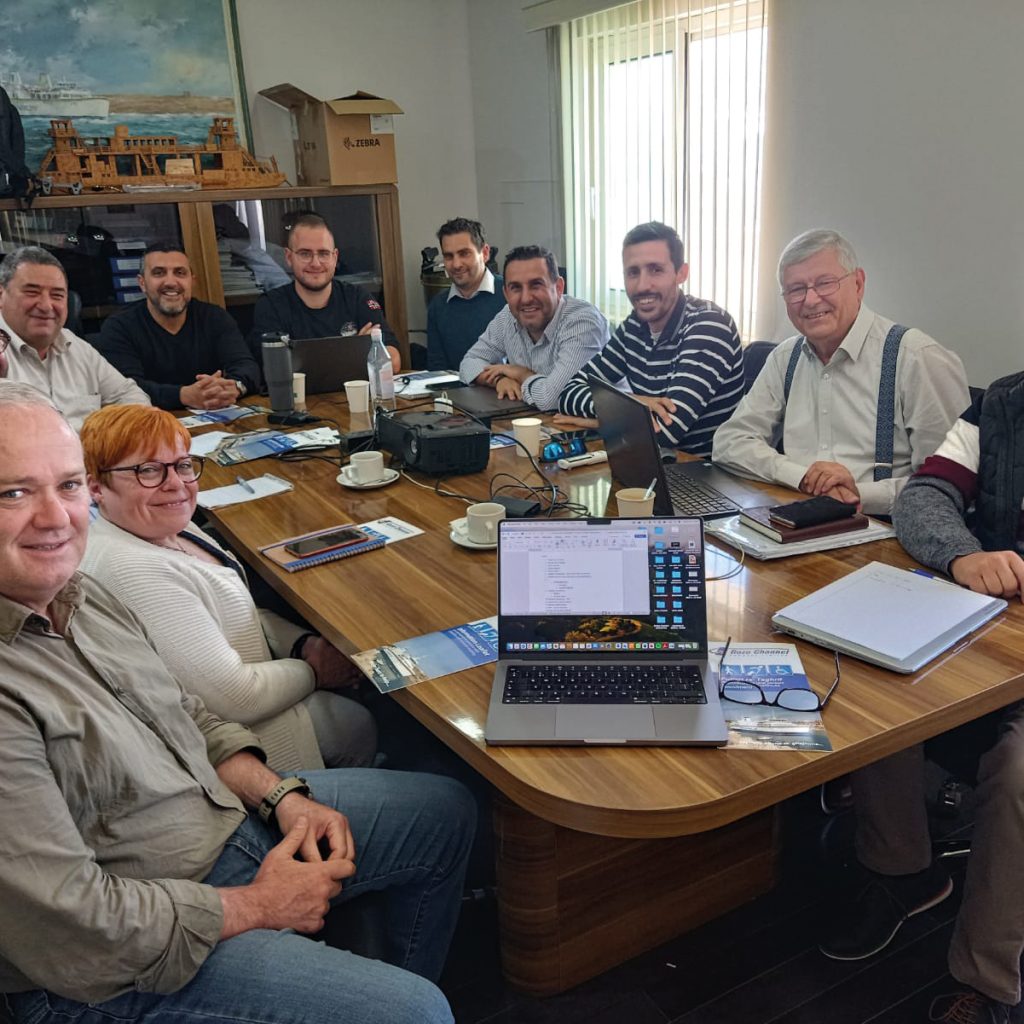
A service of this complexity depends on a strong organisational backbone. At the heart of it all sits a tight-knit team: heads of operations, HR, accounts, commercial management, safety and security.
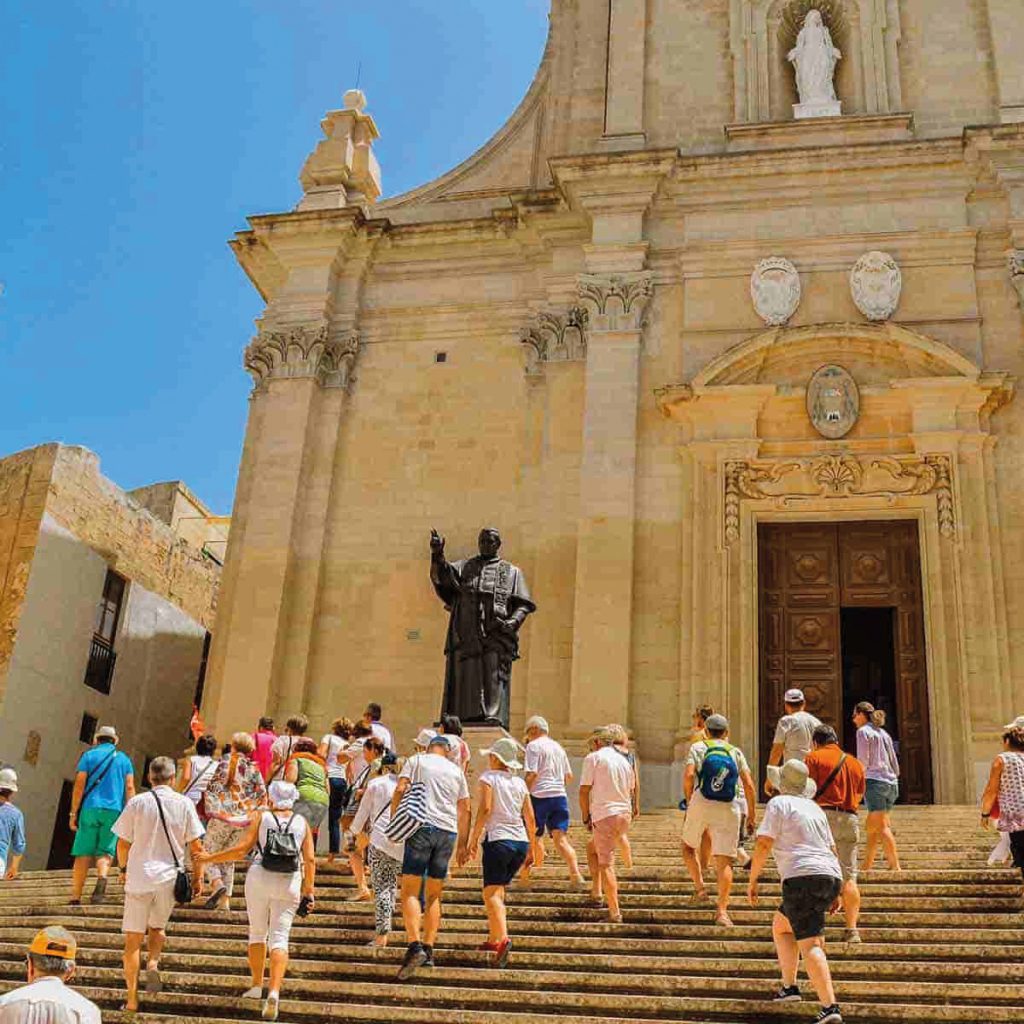
photo: tourists visiting the Gozo Cathedral; Cittadella, Victoria
Cordina describes his leadership style as informal but firm. “We are a public company, and we manage people, not just vessels. Respect and trust are essential.”That trust extends to the crews who steer the ships through the channel’s busy waters daily.
Many have spent decades with the company, a testament to the tight community that keeps the ferries sailing reliably through calm seas and storms alike.
Foresight is part of the job. With three of the four vessels over two decades old, a fleet renewal plan is firmly on the table. The first step is the replacement of the rented Nikolaos with a custom-built vessel – a complex process, as finding a ferry that fits the existing infrastructure is not as simple as purchasing a standard ship.
“The ships must match our quays and docks exactly. Otherwise, you’re rebuilding the whole infrastructure. So we’ll commission a new ferry, purpose-built for our needs,” Cordina explains. The tender for the design and build is already in motion, with international shipbuilders likely in the mix.
Gozo Channel (Operations) Ltd remains proof that reliable connectivity is the lifeblood of an island economy
Sustainability will shape this new phase. Fully electric ferries remain impractical for now due to charging limitations and the short turnaround times, but hybrid propulsion is a serious option.
“We are investigating the opportunity of a hybrid system that switches to battery power when berthing and which uses conventional fuel for crossing,” Cordina says, further explaining that this would be a pragmatic step which would align well with Malta’s wider green commitments while ensuring that the channel’s service remains seamless.
we manage people, not just vessels. Respect and trust are essential
Steering with Purpose
More than forty years since its founding, Gozo Channel (Operations) Ltd remains proof that reliable connectivity is the lifeblood of an island economy. Joe Cordina’s decade-long leader-ship shows that public service and commercial rigour can coexist when driven by clear-eyed stewardship and an authentic connection to the people served.
“There’s a saying – every day brings its own story,” Cordina reflects. “Running the Gozo Channel is exactly that. Every day there’s something new. And every day we remember what we’re really here for – to keep Gozo open, connected, and thriving.”
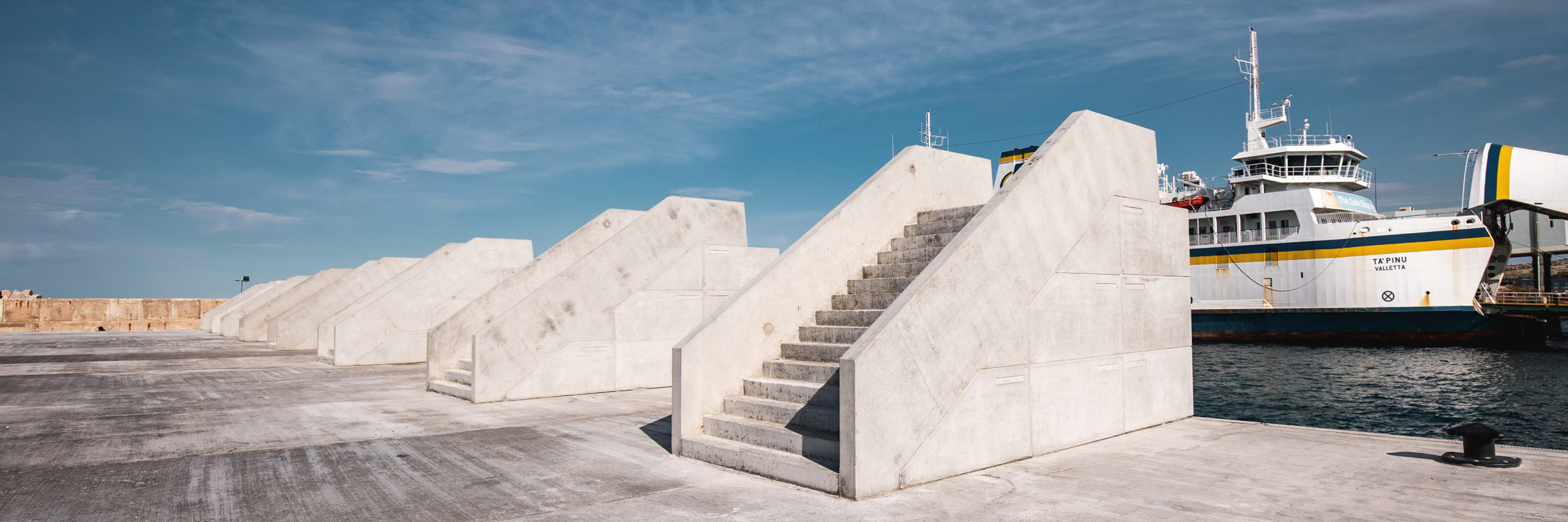
As the ferries slip in and out of Mgarr Harbour, seething with holidaymakers, workers, and families on their daily journeys, an island’s heart is kept beating. And with Joe Cordina at the helm, that rthym remains strong, steadfast, and future-ready.