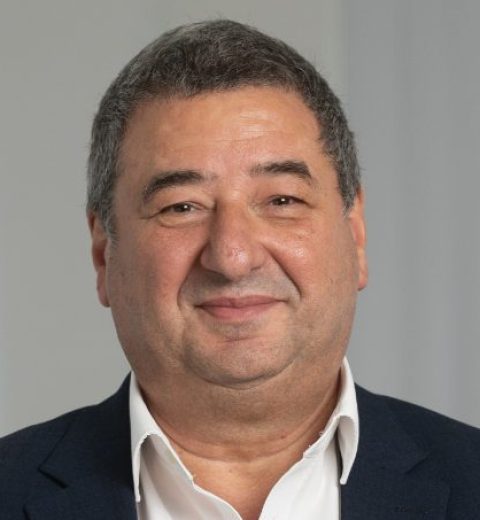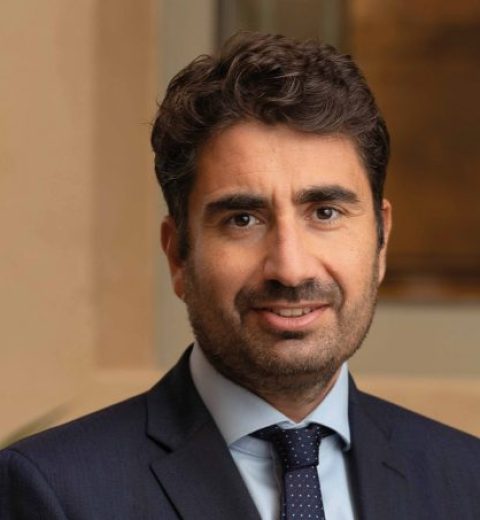

Maritime nations require steady hands at the helm—bodies that can anticipate change, coordinate diverse interests, and steer the sector toward sustainable growth. For Malta, the Malta Maritime Forum (MMF), under the stewardship of its Chairman Godwin Xerri, the Board of Directors and Chief Executive Officer Kevin J. Borg, serves precisely this function. As the key interlocutor between industry and policymakers, the MMF has assumed a pivotal role in ensuring that Malta’s maritime economy remains resilient, relevant, and robust amid both emerging pressures and new opportunities.
Founded to consolidate a fragmented maritime voice into a unified chorus, the MMF today represents a wide cross-section of industry players – from port operators to ship repairers, from academia to maritime service providers.
a Conversation with Mr Kevin J. Borg; Chief Executive Officer, Malta Maritime Forum (MMF)
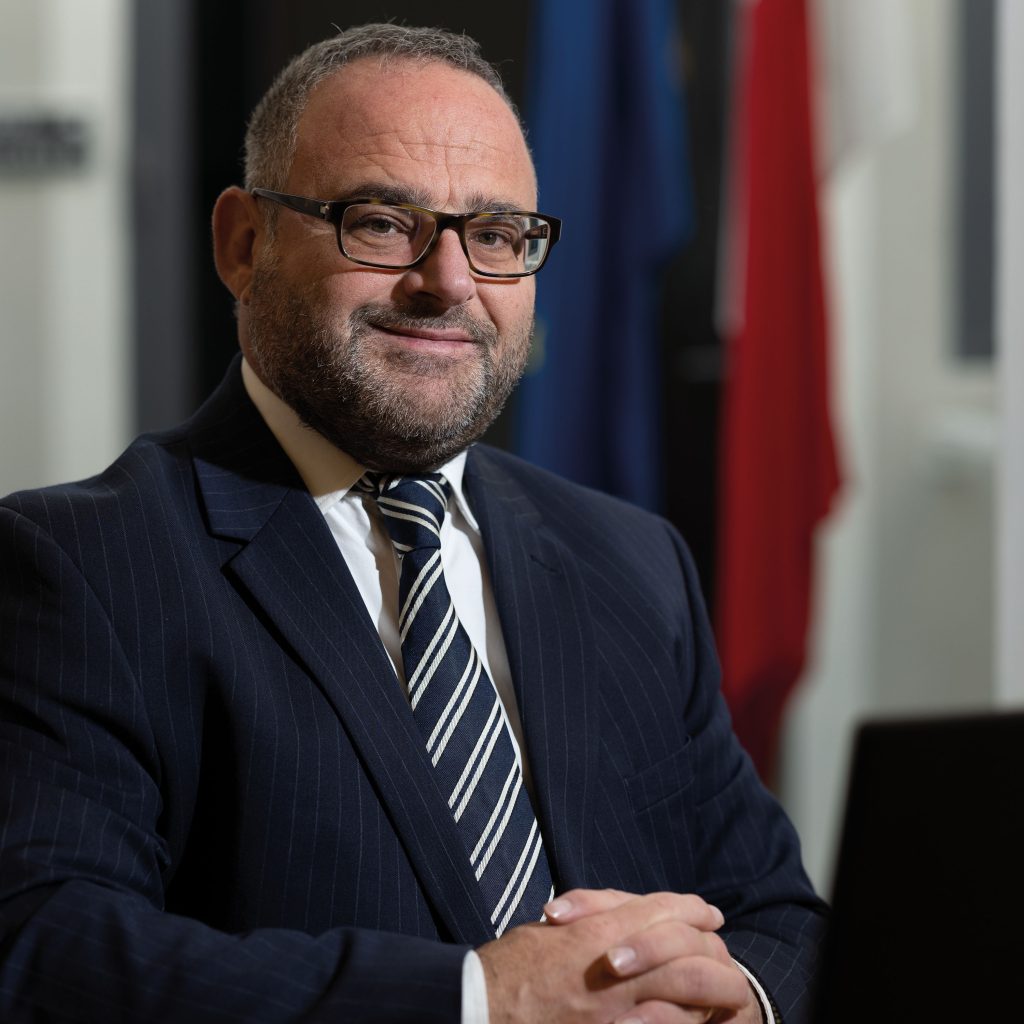
Its remit is ambitious: it aims not only to act as a consultative platform but also to contribute to policy formation, legislative development, and to positioning Malta as a maritime centre of excellence.
“The Forum exists to give the industry one voice,” Kevin J. Borg explains. “The authorities need to hear from the sector in a coordinated, constructive manner, and the Forum provides that channel.”
An Industry of National Importance
As Kevin J. Borg emphasises, Malta’s maritime sector is a foundation pillar of its economy, though not always matched by parallel visibility. One of the Forum’s central missions is to ensure that maritime stakeholders are consulted in Malta’s national planning and policymaking.
This is especially vital in long-term vision documents like the National Maritime Transport Strategy or the Malta Vision 2050 blueprint. The MMF has consistently advocated for the maritime economy’s rightful prominence. “The sector is interwoven with all major economic functions – tourism, logistics, trade, energy. But it often flies under the radar,” Borg notes. “That’s why the MMF ensures the sector’s interests are understood and accounted for.”
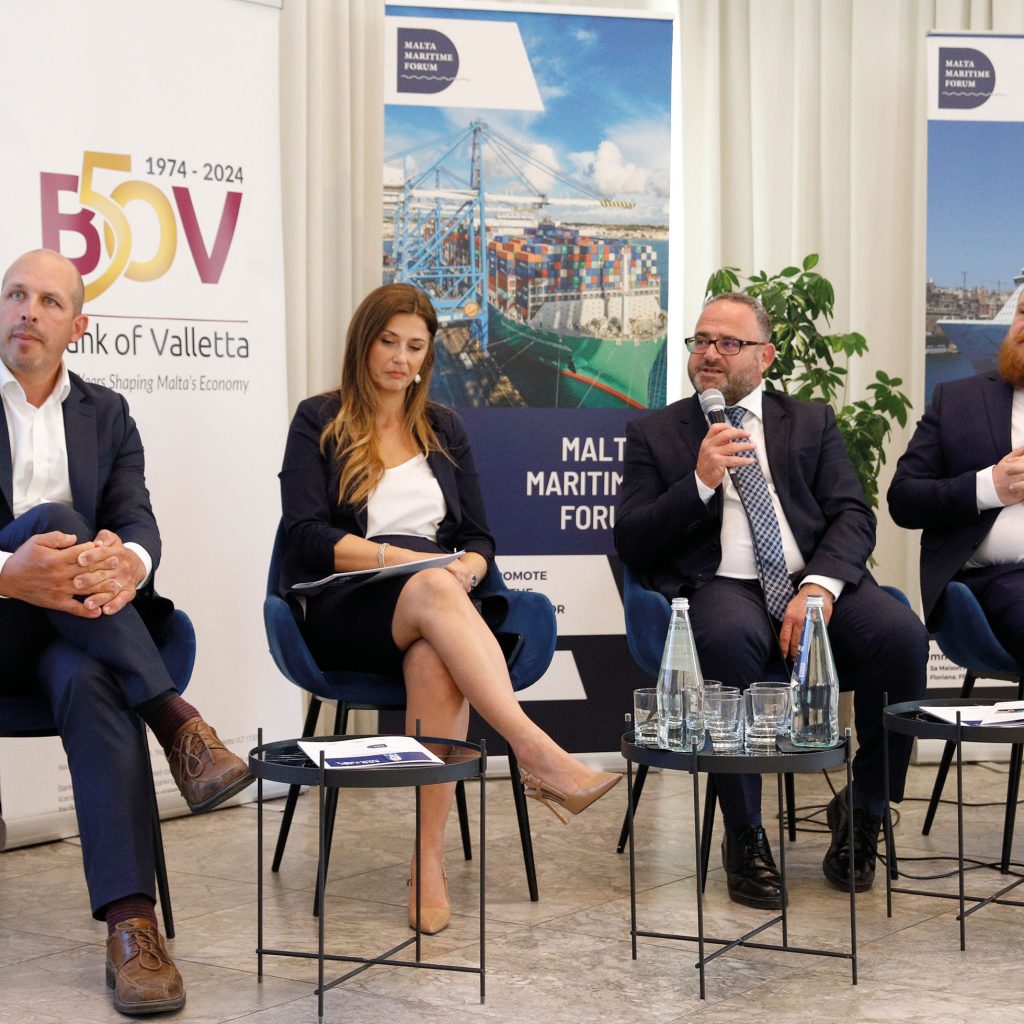
A Conduit Between Government and Industry
The Forum serves not only as an advocate but as a bridge – bringing together public authorities, private operators, regulators, educators, and service providers. It acts as a sounding board for proposals, raises red flags, and anticipates emerging trends. In this capacity, the MMF has been active in consultations with Transport Malta and the Ministry for Transport, Infrastructure and Capital Projects. It also engages regularly with European and international maritime bodies to ensure Malta’s voice is heard.
Resolving Industry Disparities
A less visible but critical role of the MMF is ironing-out internal issues within the maritime ecosystem. “At times, industry interests don’t align, and the Forum steps in – not to take sides, but to resolve issues for the industry as a whole and the wider economy,” Borg explains.
For example, safety and operational issues can conflict on occasion with commercial interests and could stall progress, he explains. “The MMF provides neutral ground to address such issues constructively within Malta’s maritime sector.”
Winds of Change
The maritime sector is navigating three major shifts: decarbonisation, digitalisation, and global trade disruptions. Decarbonisation is more than compliance – it’s about competitiveness. “To remain attractive, Malta must align with environmental targets and offer appropriate incentives,” Borg states.
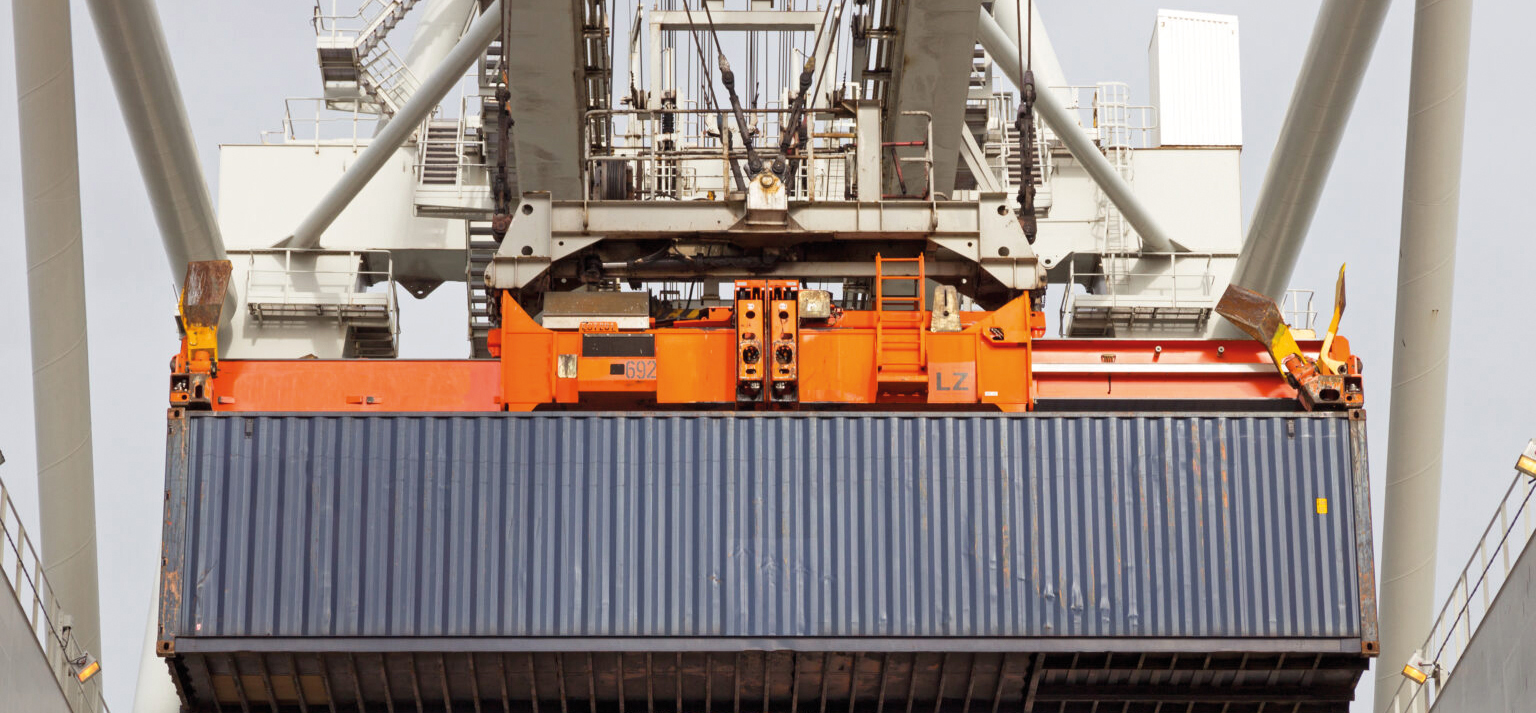
The MMF has advocated for support mechanisms to help stakeholders transition to greener operations. The same applies to digitalisation. Ports and logistics networks require investment in smart systems for efficiency, security, and traceability.
The maritime sector often flies under the radar. That’s why the MMF needs to ensure that the sector’s interests are understood and accounted for
The Forum promotes strategies that prioritise maritime digital infrastructure. Meanwhile, global instability has exposed supply chain fragilities. Malta’s location is an asset – but this will only leverage the best results if supported by policy foresight and infrastructure investment.
Capacity Building and Human Capital
No sector thrives without skilled people. A growing concern is the gap between industry needs and educational output. The MMF has pushed for curricular reforms, stronger academia-industry links, and youth incentives.
“There is an industry-wide under-representation of Maltese professionals in maritime leadership,” Borg warns. “Our institutions are strong, but the link between classroom and quay must be tighter.”
To bridge this gap, the MMF is collaborating with the University of Malta and MCAST, proposing scholarships, awareness campaigns, and mentorships so as to re-engage local talent and expose career opportunities.
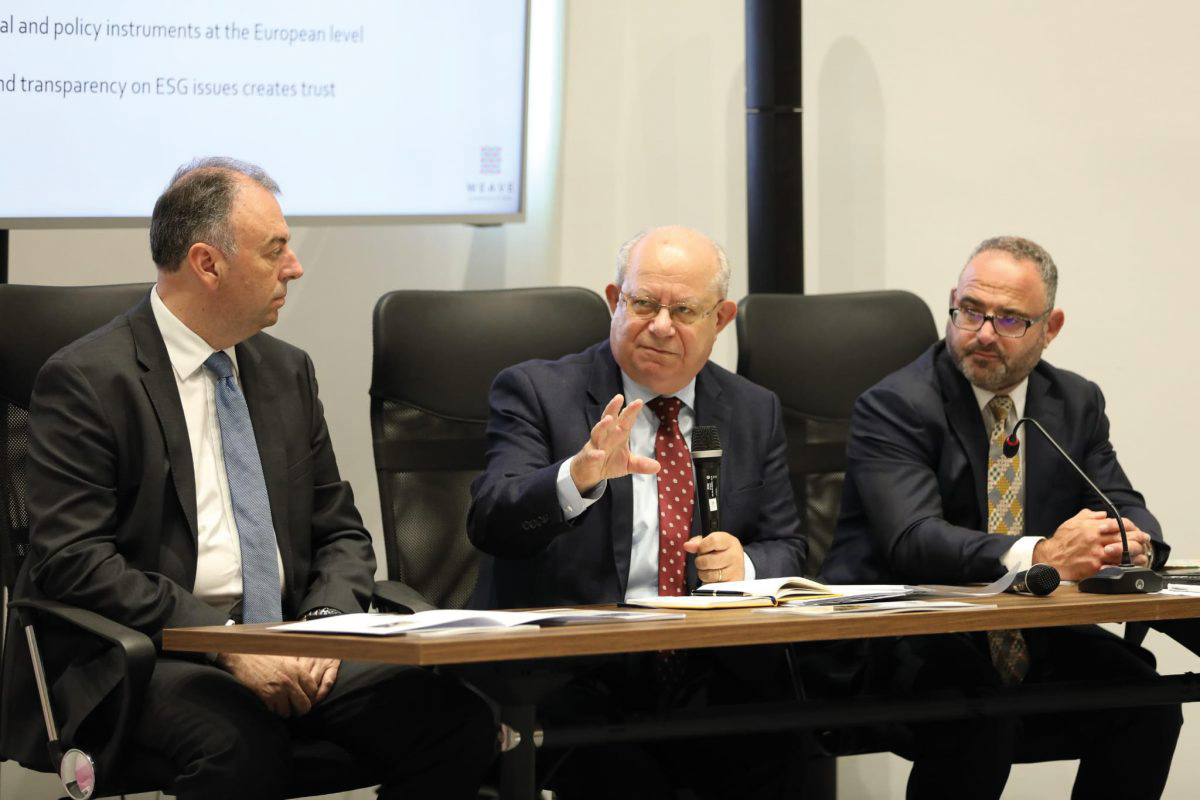
Local Advocacy, International Voice
While rooted in Malta, the MMF has global reach. A strategic milestone was reached when the Forum teamed up with the UK Branch of the Malta Business Network to organise the “Showcasing Maritime Malta” networking event at the prestigious International Maritime Organization Headquarters in London in 2024. The event gave prominence to the excellence of maritime services offered in and from Malta whilst providing MMF members with the opportunity to connect with London-based maritime professionals and practitioners.
A Strategic Partner in Policy
The MMF has proven itself a valuable consultative partner in legislative reform. The Forum regularly collects operator feedback, submitted consolidated recommendations, and follows through until implementation.
The maritime sector is navigating three major shifts: decarbonisation, digitalisation, and global trade disruptions
“When policies are made without proper consultation, there’s a risk of unintended consequences,” Borg says. “Our role is to catch these early.”
Strength Through Unity
Perhaps the Forum’s greatest achievement is cultural. In a historically fragmented sector, it has fostered unity. Members now see the value of speaking collectively, sharing knowledge, and championing joint interests. This cohesion has made the MMF not only a credible consultative partner, but also a force for internal sector resilience.
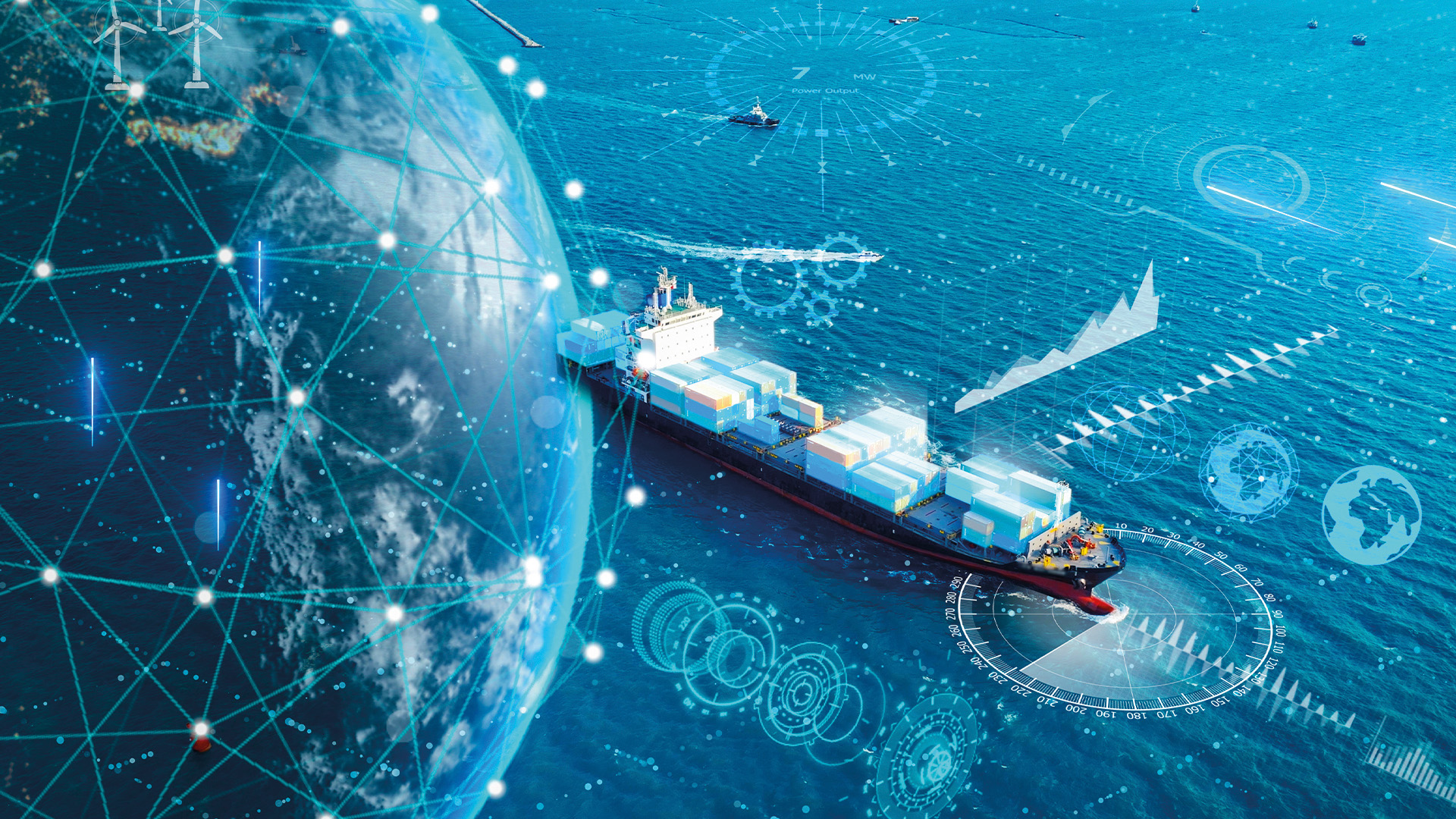
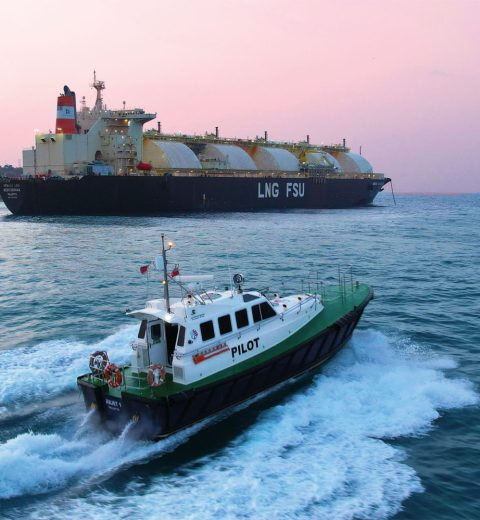
photo: stock image
Looking Ahead: Navigating a Complex Horizon
Reflecting on the MMF’s journey, Borg is optimistic yet grounded. Challenges remain: Malta must articulate a national maritime transport policy, accelerate port investment, modernise education, anticipate the impact of international regulatory developments and safeguard its strategic advantages.
cohesion has made the MMF not only a credible consultative partner, but also a force for internal sector resilience
But with the MMF steering stakeholder dialogue, providing informed input, and championing maritime priorities, Malta is better positioned than ever. “We are a maritime nation by geography and necessity. But to thrive as one, we must be one by policy, by intention, and by capability,” Borg concludes.
Conclusion: A Vital Compass
In the sea of national priorities, the maritime sector must not drift unmoored. Thanks to the MMF, Malta has not only a compass, but a seasoned navigator – scanning the horizon, weathering storms, and charting smart, sustainable routes. As the sector faces environmental shifts, technological demands, and global uncertainties, the MMF remains central – anchored locally, active globally, and resolute in its mission.