
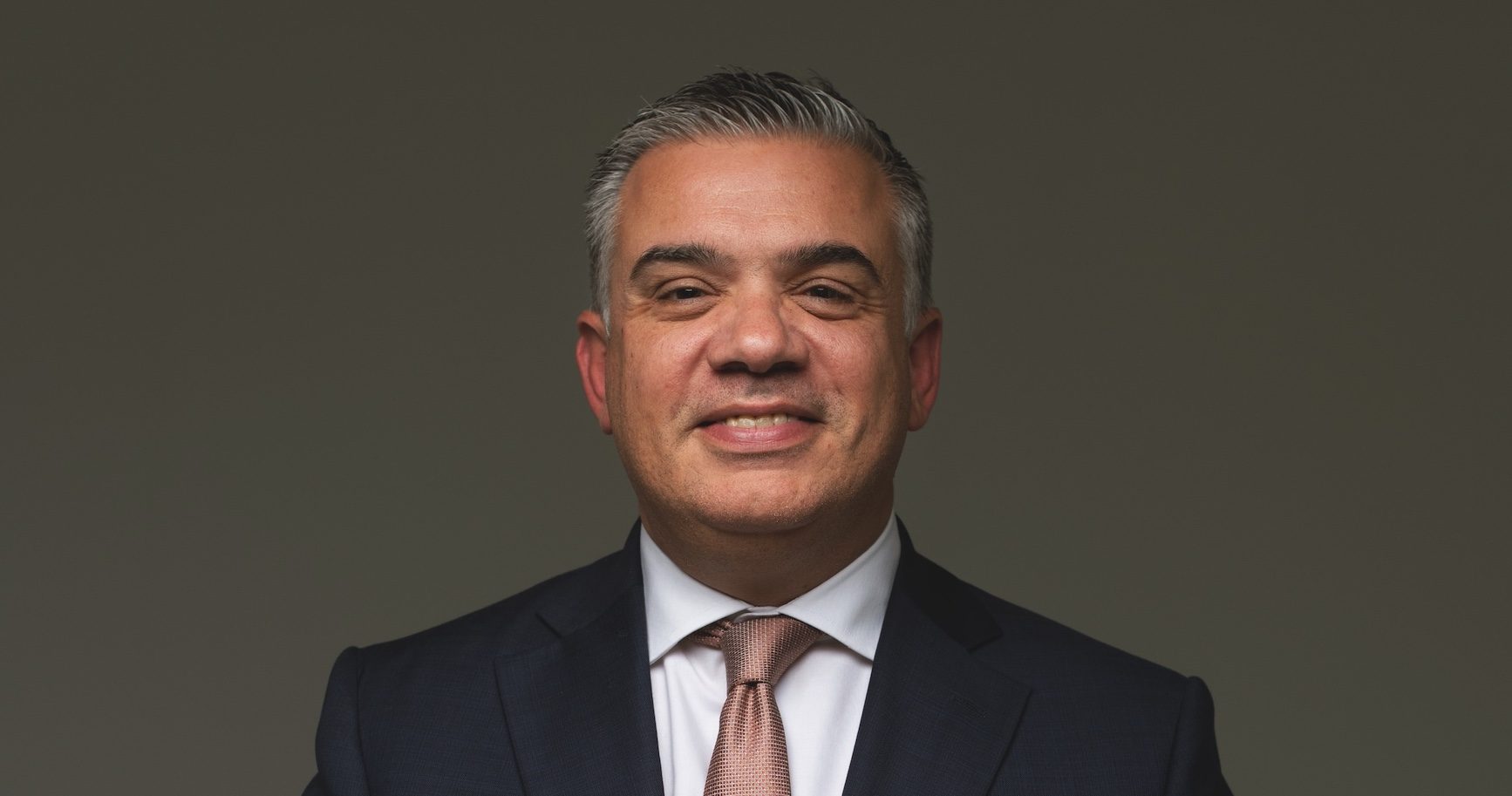
by the Hon. Minister for Transport, Infrastructure and Public Works
Dr Chris Bonett
Malta’s maritime sector forms a continuous thread through the nation’s economic life, its identity, and its activity in the Mediterranean. It encompasses commercial shipping, leisure yachting, port operations, maritime services, and a ship registry recognised across international markets. Its relevance is maintained through consistent planning, strong environmental commitments, factual investments in infrastructure, and the sustained development of specialised skills.
At the centre of this effort stands the Ministry for Transport, Infrastructure and Public Works, which coordinates the sector’s direction and ensures that its evolving expectations fit within those of Europe and beyond.
For Malta Maritime Directory, Minister Chris Bonett reflects on the priorities shaping this direction, highlighting progress across environmental measures, infrastructure upgrades, digital systems, the regulatory framework, and Malta’s engagement at EU level.
Environmental responsibility forms a substantial part of the Ministry’s work. Malta’s direction aligns with EU and IMO objectives and reflects a national intention to enhance sustainability across maritime operations. Minister Bonett explains that the country’s environmental commitments are backed by concrete investments. “Malta is charting a clear course towards a cleaner and more competitive maritime sector,” he says, underscoring the country’s determination to support cleaner vessel operations in parallel with global developments.
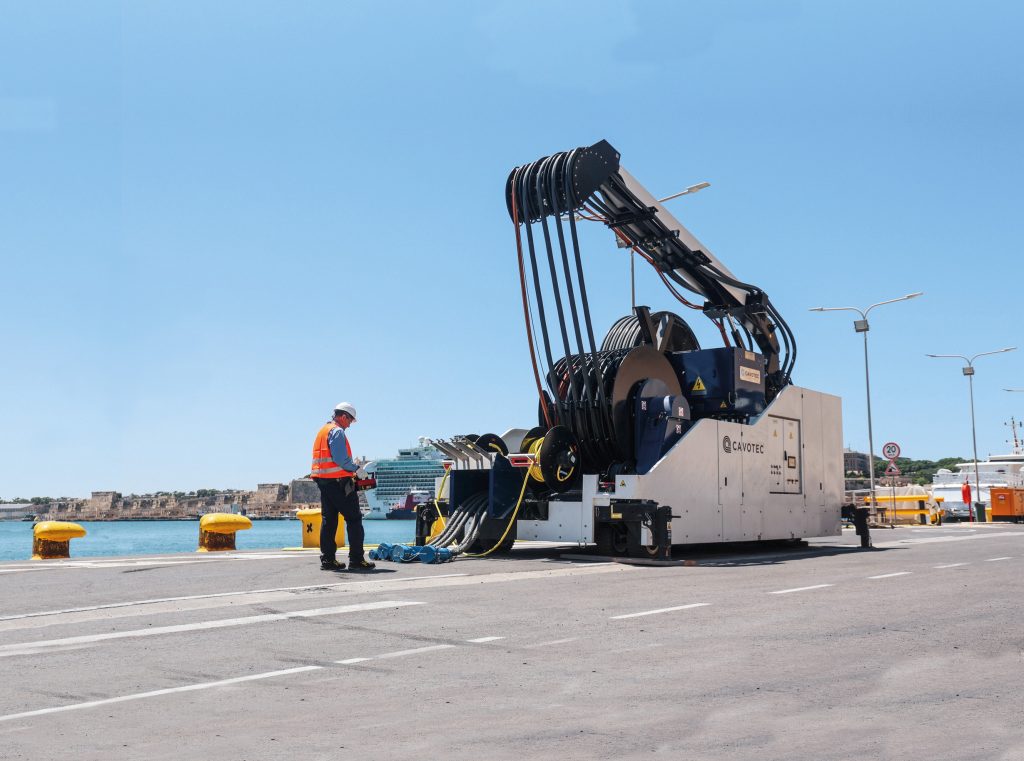
One of the most significant achievements within this effort is the establishment of a full-scale Onshore Power Supply (OPS) system for cruise liners in the Grand Harbour. Its deployment reduces emissions while vessels are berthed and demonstrates Malta’s ability to carry out large-scale environmental projects with sector-wide impact.
Malta’s participation in the Clean Energy Maritime Hubs initiative further enhances this direction.
Through this collaboration, the country is contributing to the development of clean-fuel value chains and green corridors, strengthening regional partnerships and supporting the global transition toward alternative energy. Minister Bonett notes that this work places Malta in a central position within Mediterranean decarbonisation efforts and reinforces its commitment to the cleaner-energy shift.
” the deployment of Europe’s first full-scale Onshore Power Supply system for cruise ships at the Grand Harbour … demonstrates Malta’s ability to carry out large-scale environmental projects “
A National Maritime Transport Strategy for the Long Term
The upcoming National Maritime Transport Strategy introduces a unified framework for the sector’s long-term development.
The Strategy has reached an advanced stage of preparation and is to include public consultation. Its development involved extensive discussions with maritime operators, public bodies, and industry professionals, reflecting the Ministry’s commitment to an inclusive process.
” The Strategy aligns closely with Malta’s Vision 2050, creating a cohesive plan that supports stable growth over the coming decades “
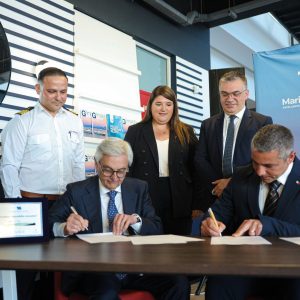
“We focused on ensuring that we gather input from as many stakeholders as possible,” the Minister explains, emphasising the importance of understanding operational realities when shaping national direction. The Strategy aligns closely with Malta’s Vision 2050, creating a cohesive plan that supports stable growth over the coming decades.
It defines a forward-looking ambition for the sector by strengthening Malta’s role as a logistics hub supported by efficient, modern port systems; reinforcing the country’s standing as a leading centre for maritime services; cultivating the skills needed for an increasingly technical maritime workforce; and encouraging innovative investment that advances the sector’s development. “Our aim is to create a resilient, innovative, and sustainable maritime transport sector that enhances Malta’s competitiveness,” Minister Bonett states. The Strategy is designed to guide investment, regulation, and long-term planning, ensuring that Malta’s maritime structures evolve in line with both local requirements and international expectations.
Strengthening Malta’s Maritime Infrastructure
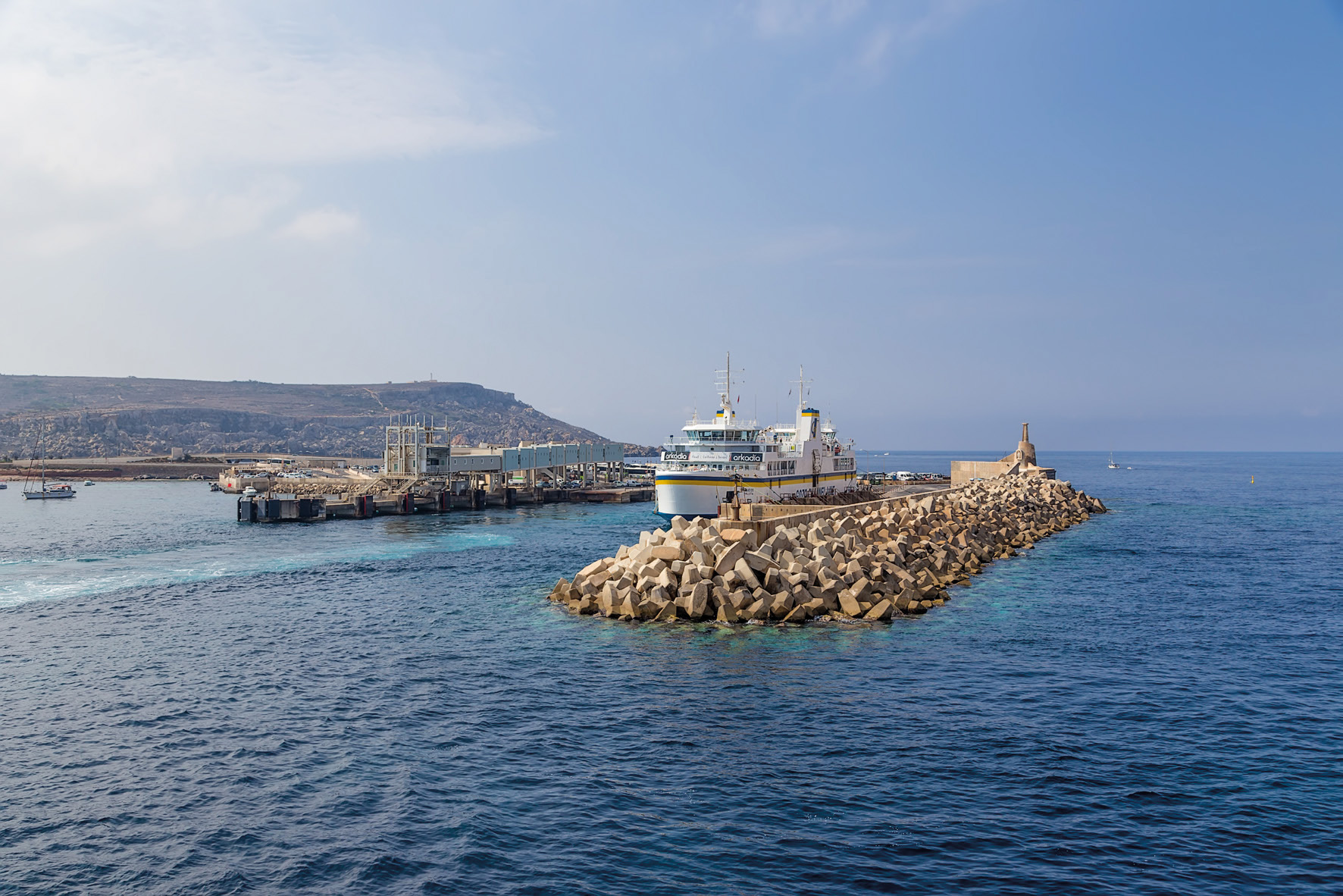
Infrastructure investment forms a significant pillar of Malta’s maritime development. The Ministry is implementing projects that improve safety, capability, and efficiency across both commercial and leisure facilities. Minister Bonett highlights several areas undergoing reinforcement, including quay structures within the Grand Harbour and upgrades to breakwater systems that enhance port resilience.
” Our aim is to create a resilient, innovative, and sustainable maritime transport sector that enhances Malta’s competitiveness “
The Ministry is also advancing the modernisation of Vessel Traffic Services (VTS), expanding berthing facilities, and improving yachting support infrastructure. Each of these components contributes to higher operational reliability and strengthens Malta’s role as a practical and efficient maritime destination.
Work is underway on studies that examine berthing capacity and port access, addressing future demand and ensuring that Malta maintains a strong position within regional logistics.
The continued expansion of Onshore Power Supply systems across additional areas and the integration of digital port tools reinforce the Ministry’s commitment to systems that support cleaner operations and efficient maritime movement. A new berthing facility in Marsaskala is also in development, which will support a ferry route linking the region to northern Malta and Gozo. This connection forms part of a wider ferry network that enhances maritime mobility and improves transport options for passengers.
Developing Skills to Meet Sector Demands
A strong workforce is essential to Malta’s maritime continuity. Minister Bonett explains that the Ministry is placing sustained emphasis on skill development through collaboration with educational institutions, maritime academies, and industry organisations.
” the Ministry is placing sustained emphasis on skill development through collaboration with educational institutions, maritime academies, and industry organisations “
“We are encouraging more young people to pursue maritime careers,” he says, referencing ongoing efforts to expand programmes in navigation, engineering, maritime safety, environmental compliance, and logistics. Training is being adapted to reflect increasing digitalisation in maritime operations, ensuring that specialised skills match the evolving needs of the sector. “We are working to better align skills supply with emerging EU regulatory requirements,” he adds, illustrating how workforce development remains closely tied to regulatory evolution.
” The Ministry is also advancing the modernisation of Vessel Traffic Services (VTS) “
This approach supports career progression for graduates and professionals while ensuring that Malta retains a technically prepared labour pool capable of supporting the sector’s future direction.
” Malta is directing focused investment toward systems that improve port coordination, navigational safety, and data exchange “
Regulatory & Procedural Improvements
Malta’s regulatory credibility is central to its international maritime reputation. The Ministry is actively refining administrative processes to enhance efficiency, digital accessibility, and service responsiveness. These efforts include improvements to flag State procedures, the streamlining of port-related steps, and the expansion of digital tools that support interactions between maritime stakeholders and public authorities.
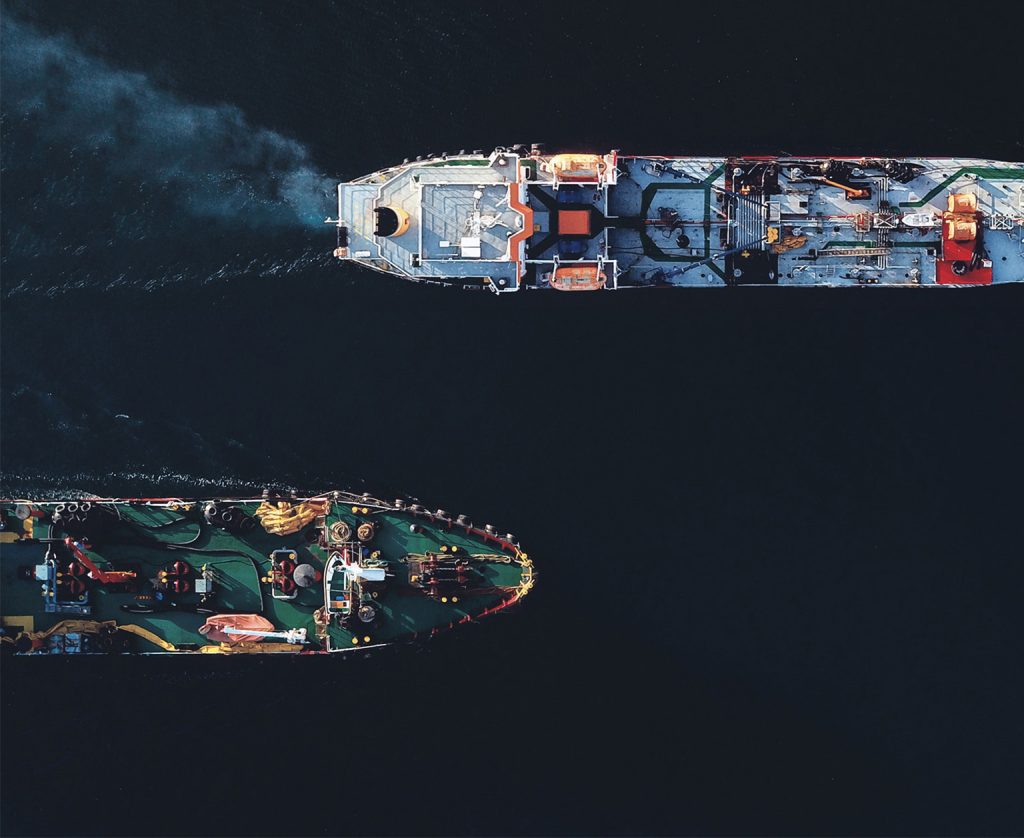
“Malta’s regulatory framework must remain both robust and agile,” Minister Bonett remarks. He emphasises that service quality and technical standards are complementary priorities, and reforms are being approached with a focus on enhancing experience without weakening compliance requirements. “These reforms aim to enhance service quality without compromising safety or compliance.”
DIGITALISATION FOR MARITIME MODERNISATION
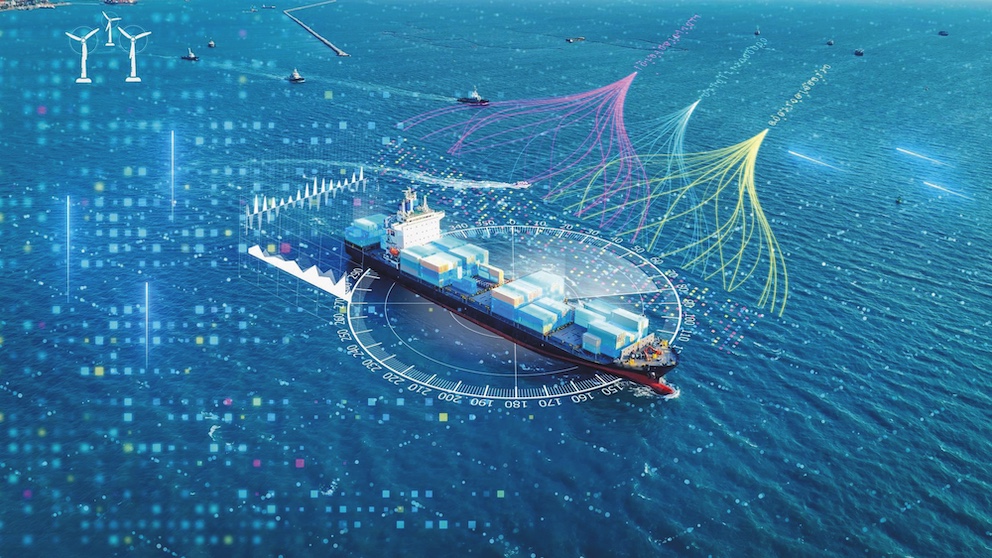
Digitalisation is shaping maritime activity across the world, and Malta is directing focused investment toward systems that improve port coordination, navigational safety, and data exchange. Minister Bonett points to ongoing upgrades to VTS technologies and the introduction of electronic certification processes. These initiatives contribute to increased transparency and a more structured workflow for operators.
Port-call optimisation tools are also being introduced, strengthening coordination between port authorities, pilots, tug operators, and vessel representatives. Automation is being considered for specific functions that support safe navigation and operational predictability. Minister Bonett notes that the Ministry is proceeding gradually in this area to ensure smooth adoption: “This transition is being implemented gradually to ensure operators can adapt smoothly.”
” Malta is fully engaged in EU discussions on maritime legislation “
Representing Malta’s Maritime Interests Within the European Union
Engagement at EU level forms a consistent part of the Ministry’s work. Malta participates actively in discussions surrounding maritime sustainability, port strategy, alternative fuels, and broader transport legislation. “Yes, Malta is fully engaged in EU discussions on maritime legislation,” the Minister confirms. He notes that Malta frequently collaborates with island and peripheral Member States whose maritime structures share similar characteristics. This cooperation supports coordinated representation on proposals with significant operational or economic impact.
The Ministry’s involvement ensures that Malta’s maritime considerations are understood within negotiations, particularly on Legislation such as ETS Maritime, FuelEU Maritime, AFIR, and the EU Port Strategy.
EU Experience Supporting Malta’s Strategic Position
Minister Bonett’s previous role as Parliamentary Secretary for European Funds enhances the Ministry’s capacity to engage effectively within EU processes. “My previous experience has been invaluable to me in my leading the Ministry, particularly where EU obligations intersect with national transport priorities,” he notes when asked on this matter.
“This experience contributes to Malta’s ability to participate early in policy development, anticipate legislative impact, and communicate national requirements with clarity”, he continued to explain. Hence, Dr Bonett’s background allows his Ministry to better align Malta’s goals with EU developments while simultaneously safeguarding national interests.
A Sector Strengthened Through Coordinated Long-Term Planning
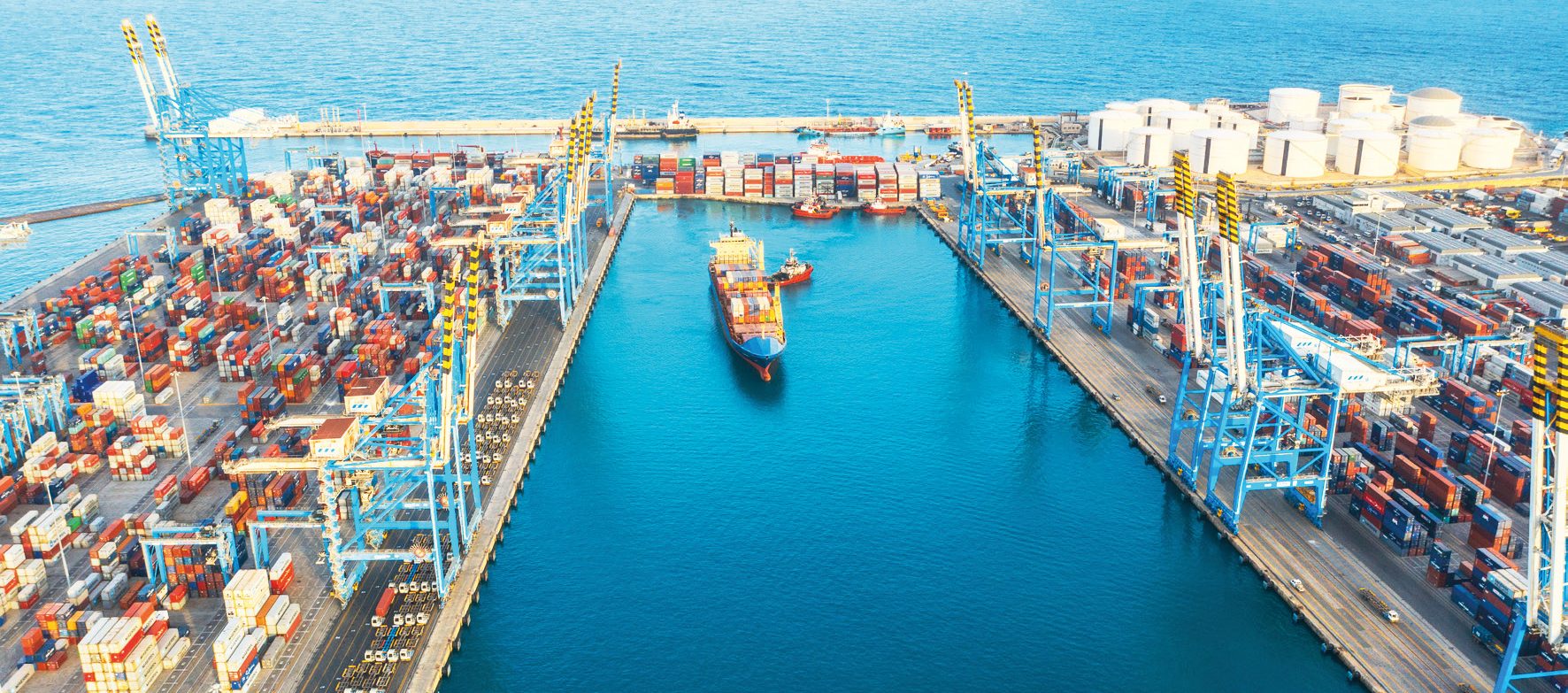
Malta’s maritime sector continues to operate as one of the country’s principal economic pillars. The initiatives outlined by Minister Bonett reveal a framework grounded in long-term consistency, environmental responsibility, and the improvement of core systems that support maritime services. These measures reinforce the country’s reliability in the eyes of international operators while aligning Malta’s structures with European and global standards.
Progress across environmental transition, infrastructure development, digital systems, and skill cultivation reflects a coherent national direction. The Ministry’s work within EU institutions further supports Malta’s strategic positioning, ensuring that the country remains an active contributor to maritime policy at a time when regulation is evolving rapidly.
The result is a sector equipped with stronger foundations, clearer planning horizons, and a broader capacity to embrace innovation. As the Strategy moves forward and infrastructure projects mature, Malta is positioned to consolidate its reputation as a dependable maritime centre that grows with purpose and provides the systems, expertise, and stability required by international operators.