
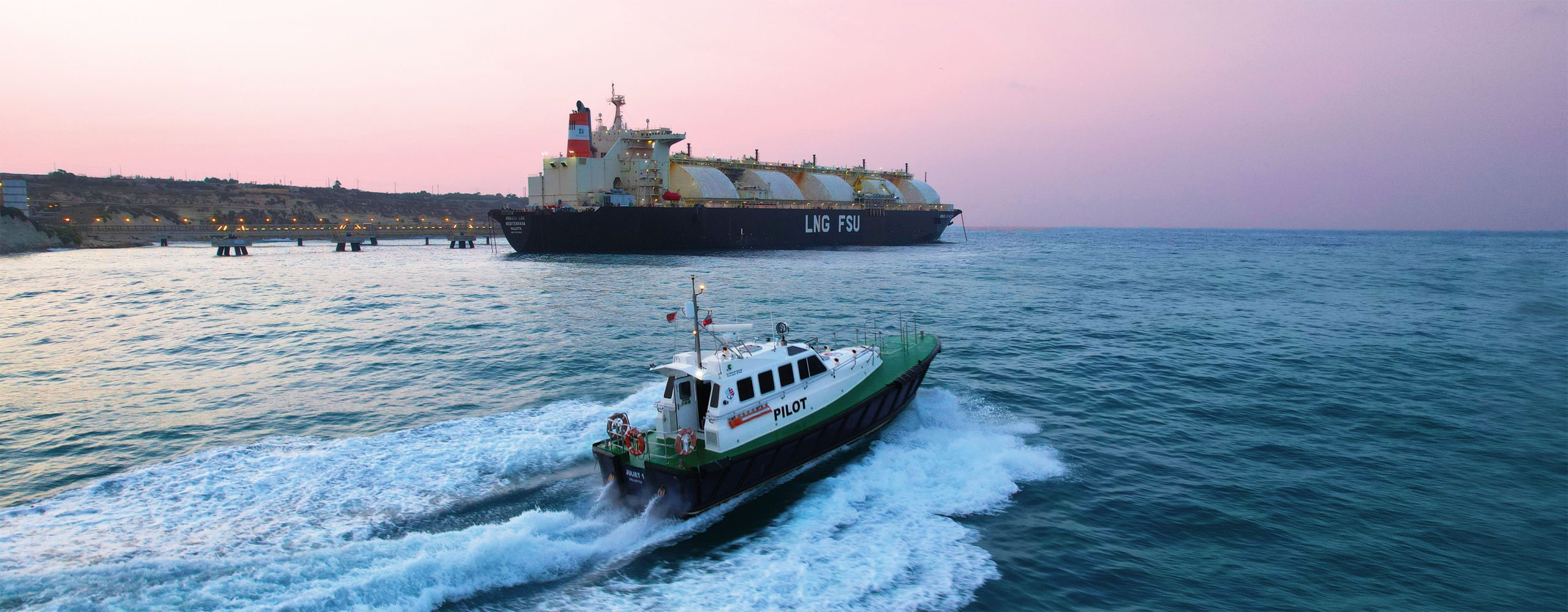
an Inside Story with Captain Terence Farrugia; President and Chief Pilot; Malta Maritime Pilots Cooperative
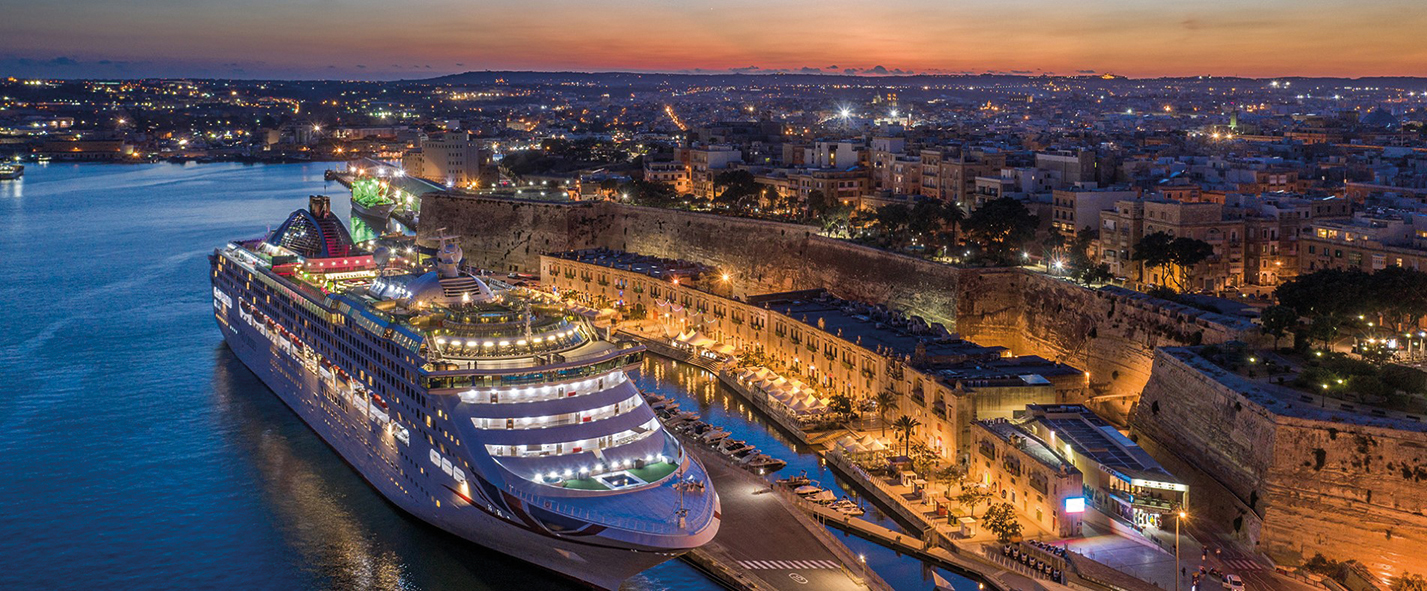
Malta’s location at the centre of the Mediterranean has always placed its harbours at the heart of national life. Every container ship, tanker, yacht, and cruise liner that calls to Valletta or Marsaxlokk carries more than cargo or passengers – it carries the continuity of Malta’s economy.
Ensuring the safe and efficient passage of these vessels is the responsibility of the Malta Maritime Pilots Cooperative. This is no small task. It is a service delivered not only to shipowners and their crews but to the country itself, safeguarding trade, tourism, and energy supplies.
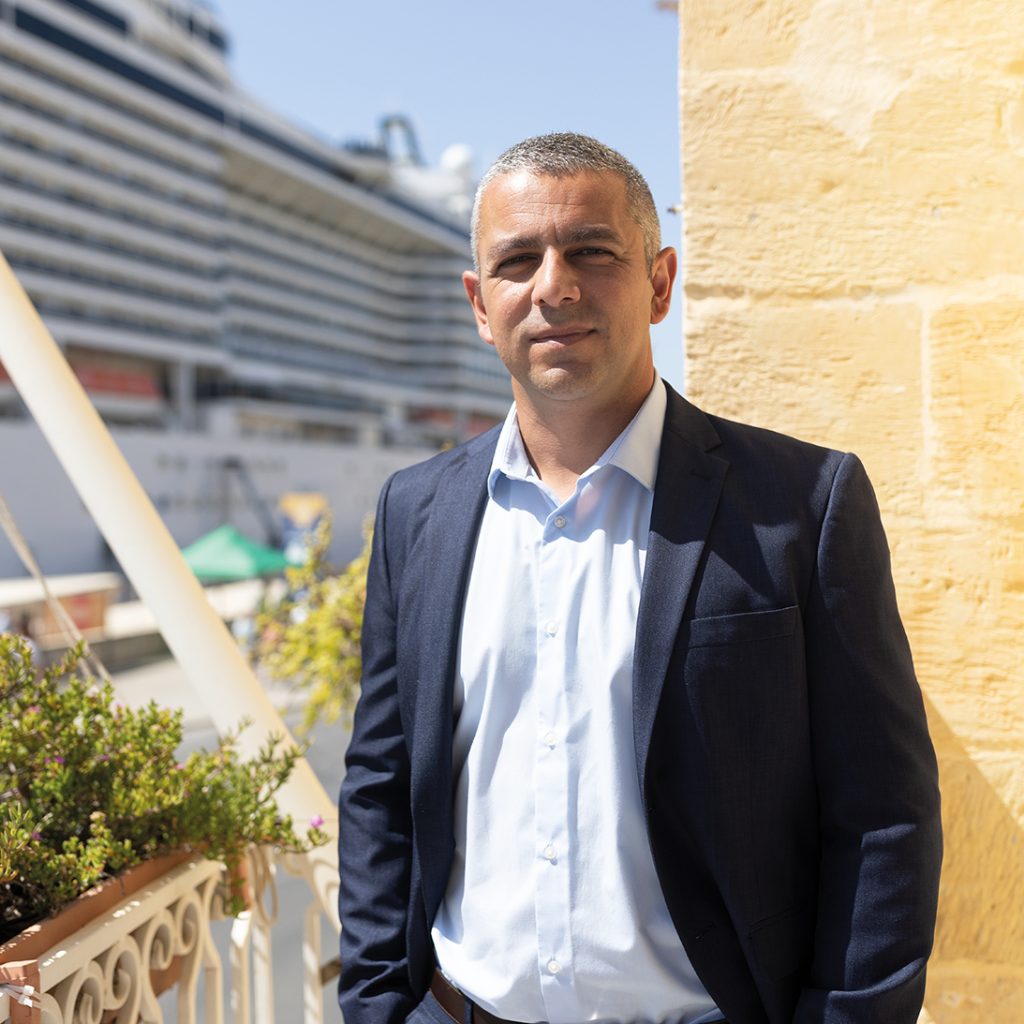
At the helm of this indispensable service today stands Captain Terence Farrugia, Chief Pilot and President of the Cooperative. His tenure reflects both continuity and renewal. Building on the achievements of his predecessors, he has introduced new layers of professionalism, and in so doing, broadened the Cooperative’s reach through its subsidiaries, and placed renewed emphasis on training and safety.
A Profession Defined by Responsibility
The work of a maritime pilot is by nature invisible to most, yet it is essential. Pilots guide ships through narrow channels, shifting currents, and tight harbour entrances, ensuring that vessels berth smoothly and safely. The stakes are high: a single incident could disrupt port operations, threaten lives, and compromise Malta’s reputation as a reliable hub.
Pilots are there to ensure that a ship comes in and leaves safely, no matter the hour or the conditions
Captain Farrugia speaks with clarity about the nature of this responsibility. “Pilots are there to ensure that a ship comes in and leaves safely, no matter the hour or the conditions” he proudly explains. “Pilots must make sure that the passage of every ship is efficient such that it will not hinder the operations of other vessels. And whilst the ship’s master has full command, in our waters, the pilot’s local knowledge makes the difference,” he added.
This knowledge is hard-earned. Pilots train for years, mastering every corner of the harbour, every turning circle, every wind pattern. In Farrugia’s words, it is a craft that demands “discipline, patience, and the ability to make decisions under pressure when there is no room for hesitation.”
Safety at the Core
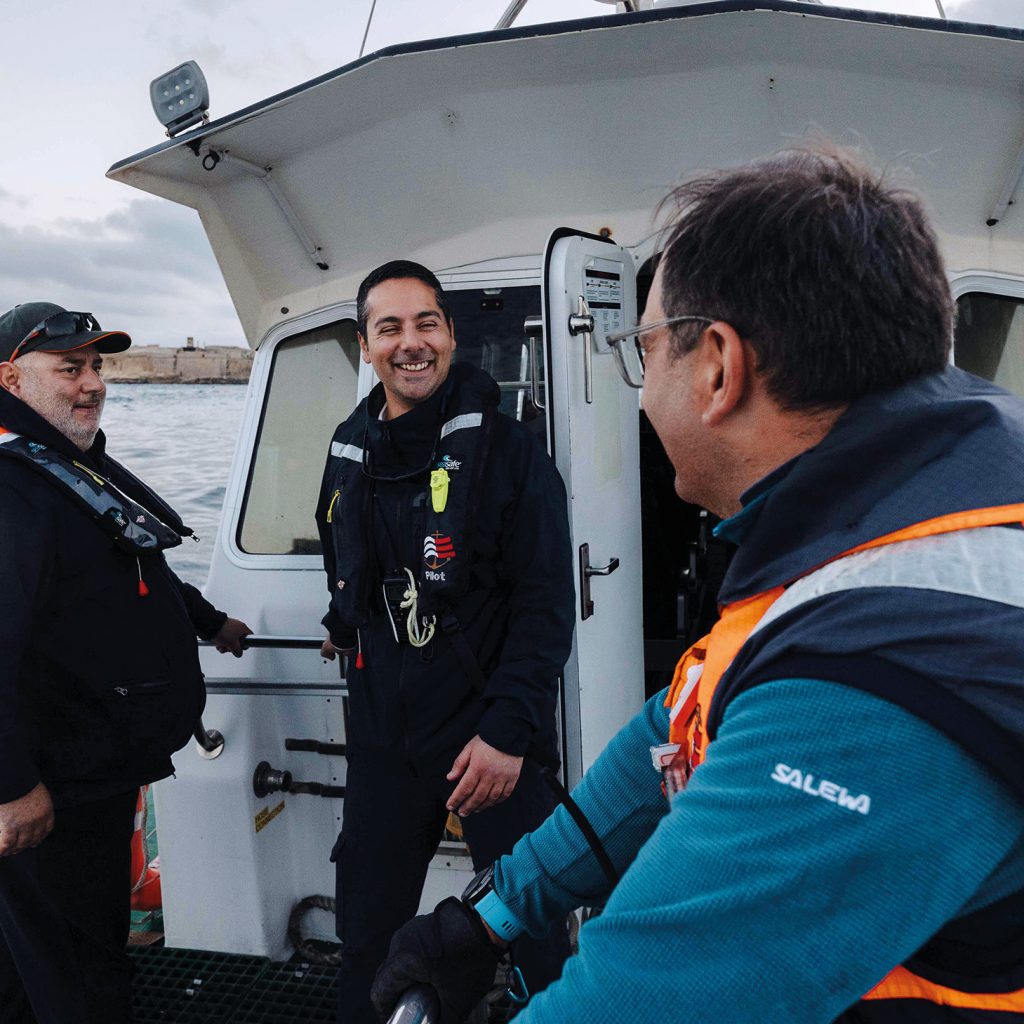
Safety underpins every aspect of the Cooperative’s work. It is not limited to navigational precision but extends to systems, equipment, and teamwork across the maritime supply chain.
The Cooperative invests in modern pilot boats, ensures rigorous vessel maintenance, and works in constant coordination with tug operators and port authorities. “Every operation is a chain,” Farrugia explains. “The pilot, the tugs, the mooring men, the terminal – all must work in synchronisation.”
This philosophy extends to the Cooperative’s inspection and oversight culture. The pilots work closely with shipmasters, terminals, and regulators to minimise risks before they materialise. Being proactive has indeed assisted the Cooperative in the building of its undeniable reputation for smooth, incident-free harbour operations.
Training for Precision
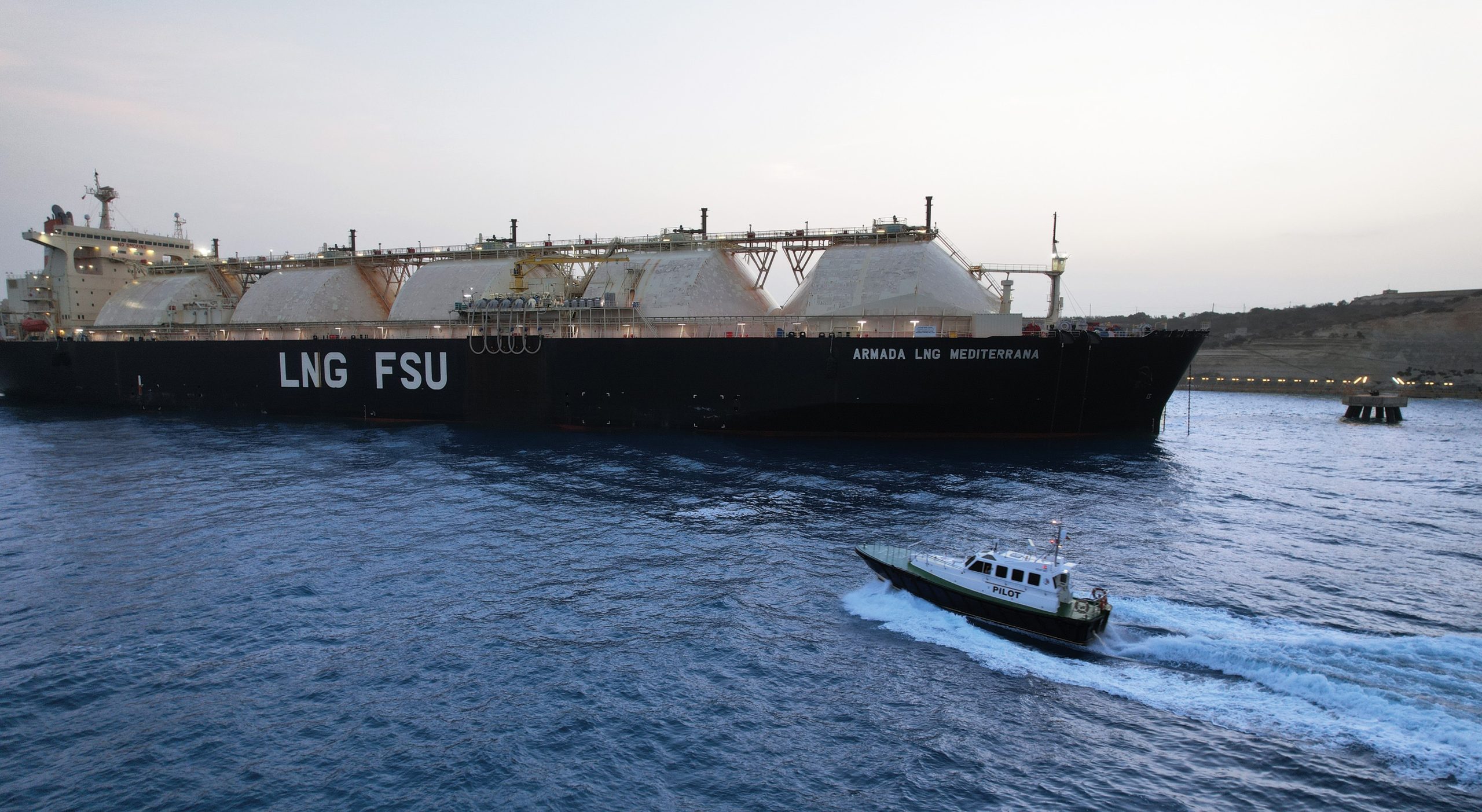
Malta Maritime Pilots Cooperative has long recognised that pilotage is a profession of continuous learning. During Captain Farrugia’s tenure, the Cooperative’s approach to training has become increasingly structured and supported by advanced tools.
By emphasising anticipation rather than reaction, the Cooperative has built a reputation for smooth, incident-free harbour operations
While pilotage has always relied on close mentorship and practical harbour experience, Farrugia has helped embed simulation and systematic learning as core components of professional development.
Through MaritimeMT, the Cooperative’s dedicated training subsidiary, pilots have access to state-of-the-art facilities that allow them to rehearse complex manoeuvres, test responses in challenging conditions,
and refine decision-making in a controlled environment. This has not replaced traditional apprenticeship but has strengthened it, giving Maltese pilots the advantage of combining time-honoured knowledge with modern precision.
shore trading up to 200 Nm from nearest shore (r)
MaritimeMT operates advanced simulators replicating ship handling, harbour approaches, and emergency conditions. Pilots, tugmasters, and other maritime professionals regularly test scenarios that are too dangerous or impractical to replicate in real life.
Sessions also involve bridge teams, tug crews, and even international trainees, making Malta a recognised centre for maritime education. “Simulations allow us to test ourselves, challenge assumptions, and refine our reactions,” Farrugia stresses. Every session builds confidence and sharpens judgment.”
The Cooperative’s expertise, channelled through MaritimeMT, has thus gained influence far beyond local waters.
The Cooperative Model
The Malta Maritime Pilots Cooperative is not wholly usual in global terms. Unlike pilot organisations elsewhere that are state-run or fully private, Malta’s pilots operate within a cooperative structure. Each Class 1 pilot is both a practitioner and a shareholder, giving them a direct and immediate stake in the organisation’s performance and future throughout the lifecycle of the Class 1 Pilot’s career within the Cooperative.
The cooperative model keeps us close to our responsibilities and ensures decisions are taken with both service and country in mind
For Farrugia, this model blends accountability with commitment. “When you are both service provider and co-owner, the standards you apply are personal. The cooperative model keeps us close to our responsibilities and ensures decisions are taken with both service and country in mind.”
This model also fosters teamwork. Pilots rely on each other daily for support, advice, and coordination. And by efficiently pooling its resources, the Cooperative also ensures its being on the ball with the industry’s needs.
Beyond Pilotage
One of the defining features of the Cooperative under Farrugia’s leadership has been the strengthening of MaritimeMT; one of the ancillary cooperatives which Malta Maritime Pilots Cooperative owns. This training centre has developed into an internationally respected provider of maritime education, from basic seafarer courses to specialised pilotage simulation. By investing in MaritimeMT, the Cooperative has created a feedback loop: pilots contribute expertise to the training centre, which in turn raises standards among future generations of seafarers. “We are hereby also raising the standard of tugmasters, mooring crews, and others who directly affect the safety of our operations,” Farrugia explains.
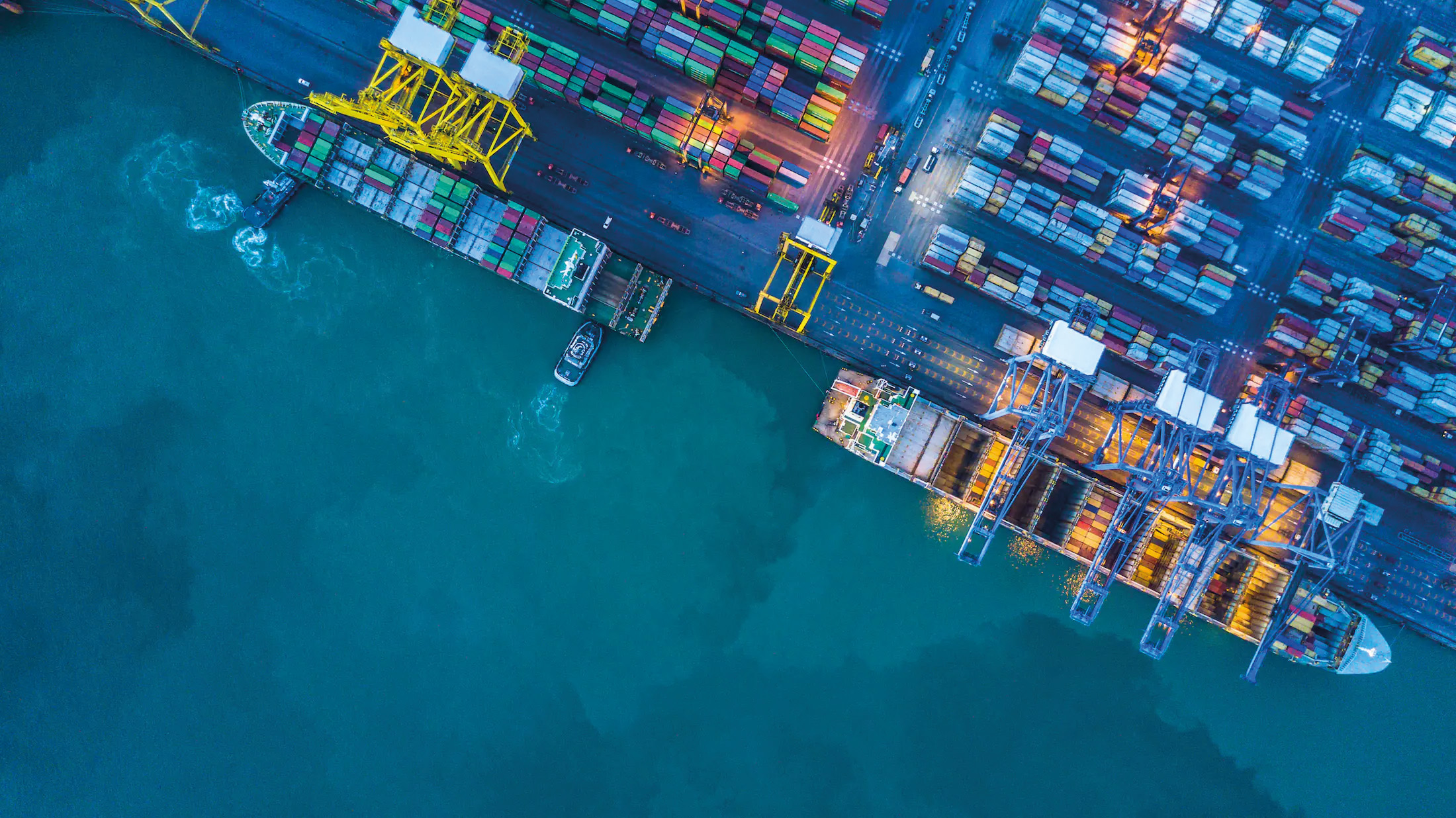
Port Logistics Operations (PLO), another company wholly owned by the Malta Maritime Pilots’ Cooperative, plays a crucial role in extending the Cooperative’s operational reach beyond pilotage. By handling logistics, coordination, and support services within Malta’s ports, PLO not only complements the core pilotage function but also reinforces its commitment to efficiency, safety, and professional standards across the maritime sector. It demonstrates how the Cooperative structure can successfully integrate commercial activities while maintaining its members’ shared governance and industry-focused mission.
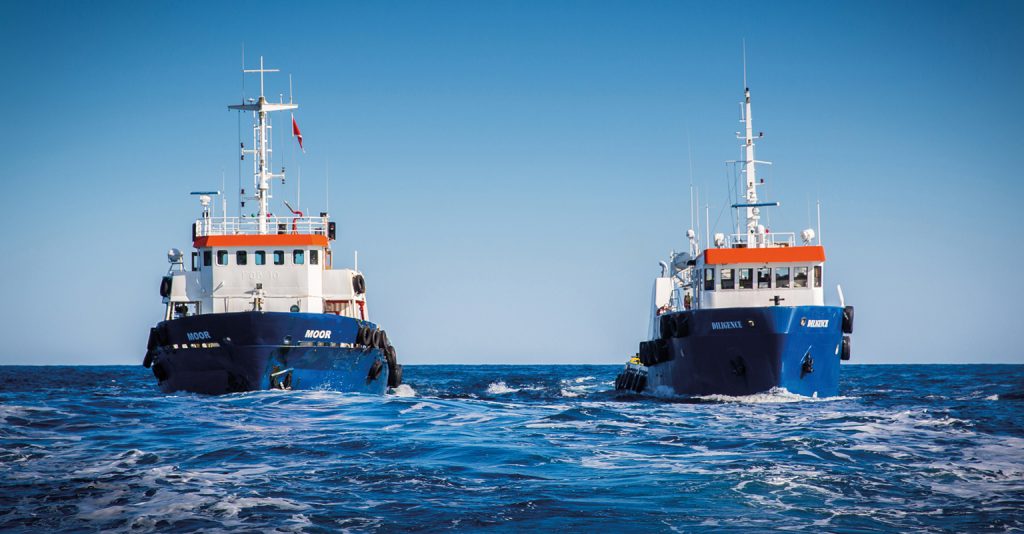
OceanCare Ltd, also fully owned by the Cooperative, represents a strategic horizontal diversification into environmental protection and preparedness. Specialising in oil spill response and marine pollution prevention, OceanCare complements the Cooperative’s pilotage and logistics services by safeguarding Malta’s marine environment. Equipped with advanced containment technology and a highly trained response team, the company actively protects Maltese waters, ports, and the vessels that rely on them.
(PLO) demonstrates how the Cooperative structure can successfully integrate commercial activities while maintaining its members’ shared governance and industry-focused mission
By integrating OceanCare into its operations, the Cooperative strengthens its overall mission: to protect Malta’s seas, enhance the safety and efficiency of port operations, and support the resilience of the maritime industry and economy at large. This diversification ensures that the Cooperative not only guides ships safely but also mitigates environmental risks, demonstrating its commitment to sustainable practices and broader Environmental, Social, and Governance (ESG) principles. The Cooperative is thus reinforcing its role as custodian of both maritime operations and the marine environment.
The Cooperative’s subsidiaries also extend Malta’s profile globally. Training programmes attract participants from Europe, Africa, and the Middle East, making Malta a reference point in maritime skills development. This outward-facing dimension strengthens the Cooperative’s reputation and contributes to the country’s wider maritime strategy.
Continuity and Renewal
Captain Farrugia is careful to acknowledge the foundations laid by his predecessors. The Cooperative has grown steadily since its formation, with earlier leaders establishing its professional credibility and building the infrastructure that today’s pilots rely upon.
Farrugia’s emphasis on structured training, expanded use of simulation, and stronger integration of the Cooperative’s subsidiaries marks how the organisation sees its role – not just as a provider of pilotage, but as an anchor institution in Malta’s maritime ecosystem.
“We are building on strong roots,” he reflects. “The Cooperative has always been about teamwork and responsibility. My contribution also includes making sure that these values are matched with the tools and systems needed for the challenges ahead.”
A Career Fitting the Role
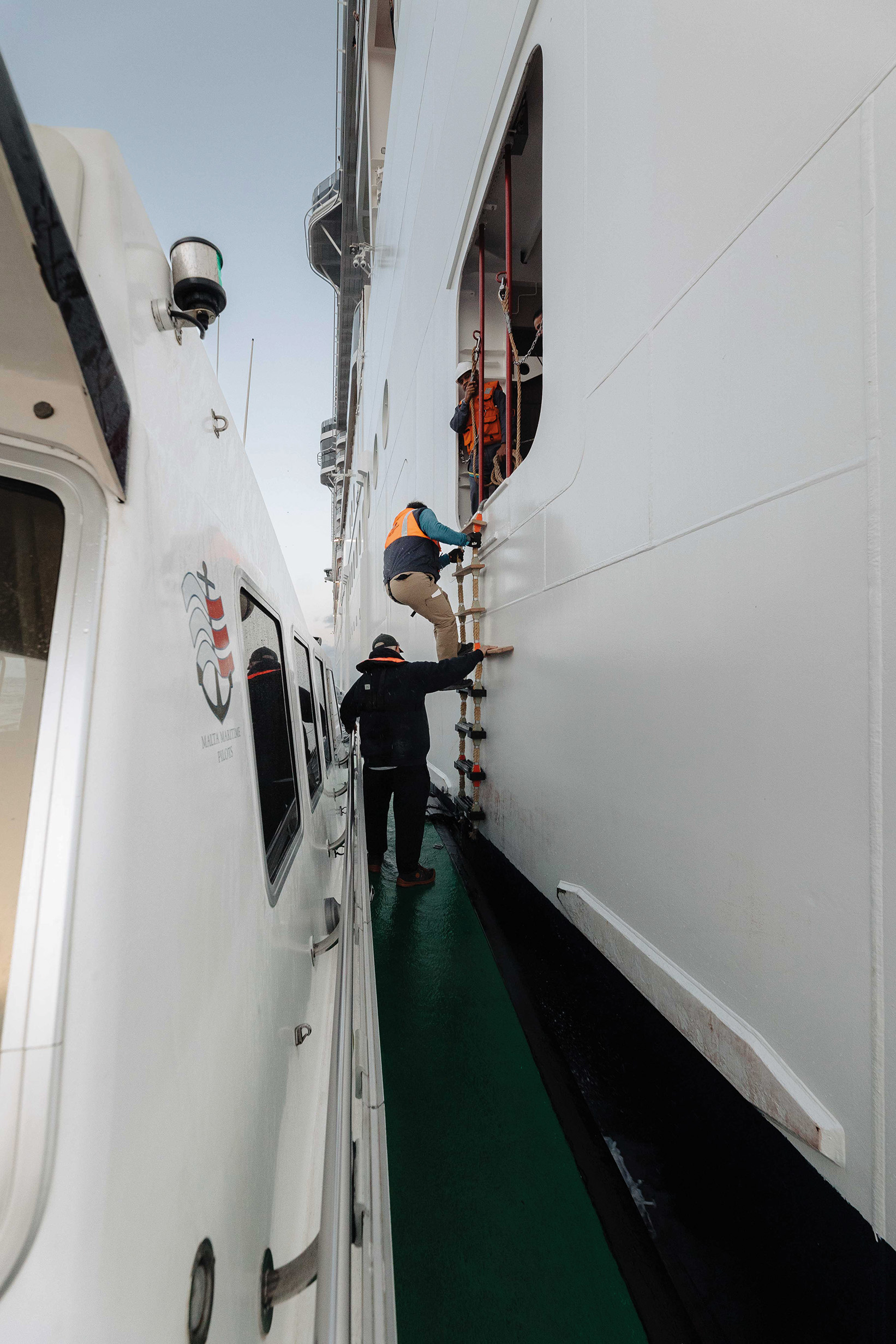
Farrugia’s ability to combine tradition with innovation is tied to his own background. Before becoming Chief Pilot, he spent years at sea in various leadership positions and later as a pilot. Along with technical competence, this gave him empathy for the sheer pressures faced by colleagues on both sides of the pilot ladder. And his years in training and education, particularly through MaritimeMT, have reinforced his belief that competence is built over time and through repetition. As he puts it: “You never stop learning in this job. The harbour is never the same twice, and neither is the ship or crew you’re working with.”
To this practical experience, Farrugia adds formal academic preparation. In 2024 he completed an MBA at Henley Business School, an achievement that has given him additional insight into organisational strategy, financial management, and leadership. This education has supported his work in strengthening the Cooperative’s governance and in ensuring it remains financially sustainable while expanding its influence.
Teamwork and Culture, and Benefits to Malta
Despite the demanding nature of pilotage, the Cooperative is sustained by a strong internal culture. Pilots rely on each other for advice, backup, and mentoring.
New recruits are integrated gradually, with more experienced colleagues accompanying them until they are fully confident. “The human element is everything,” Farrugia says. “We can have the best boats, the best simulators, but it is the people who deliver safety.
The Cooperative’s contribution to Malta is multifaceted. On the surface, it ensures the smooth passage of ships in and out of the island’s ports, enabling trade and tourism to flow without disruption. But its role goes deeper. By maintaining impeccable safety records, Malta Maritime Pilots enhance the country’s reputation internationally, encouraging more shipowners to use Maltese harbours with confidence. Through MaritimeMT and related initiatives, the Cooperative also contributes to Malta’s standing as a maritime centre of excellence. By exporting training and expertise, it extends Malta’s influence beyond its shores, building networks that benefit the wider industry. This also highlights the Cooperative’s indispensability not just to the ports system, but to Malta’s position in the global maritime sector.
We are building on strong roots
Looking Ahead
As global shipping grows in scale and complexity, pilotage faces new pressures: larger vessels, tighter schedules, stricter environmental requirements.
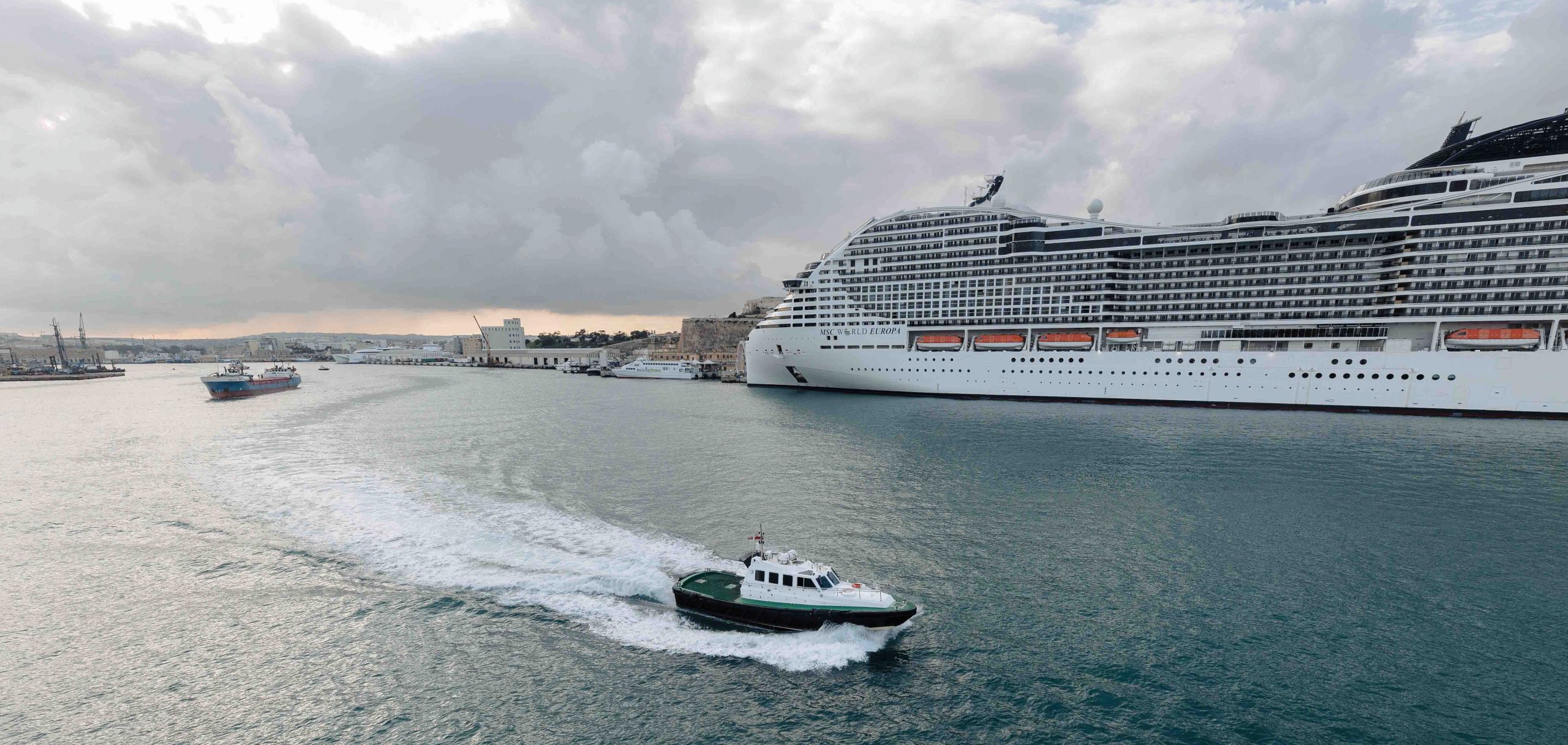
For Farrugia, these challenges are simply a call for preparation. “We know the ships will keep coming, and they will get bigger and more complex. Our job is to be ready – not only in terms of manoeuvring them safely, but in preparing the people, the systems, and the structures that support us.” This forward-looking perspective underscores his leadership. It is rooted in the lived experience of guiding ships through Maltese waters, strengthened by years of training others, and broadened by formal management education.
A Steady Hand for the Future
Malta Maritime Pilots Cooperative has always stood as a vital link in the island’s maritime chain, ensuring safety and efficiency in its ports.
Under Farrugia’s leadership, it continues to fulfil that role while broadening its horizons: embedding advanced training, strengthening its subsidiaries, and refining the systems that keep Malta’s harbours moving.
competence is built over time and through repetition … You never stop learning in this job. The harbour is never the same twice
Captain Farrugia has positioned the Cooperative to face the coming decades with both confidence and clarity
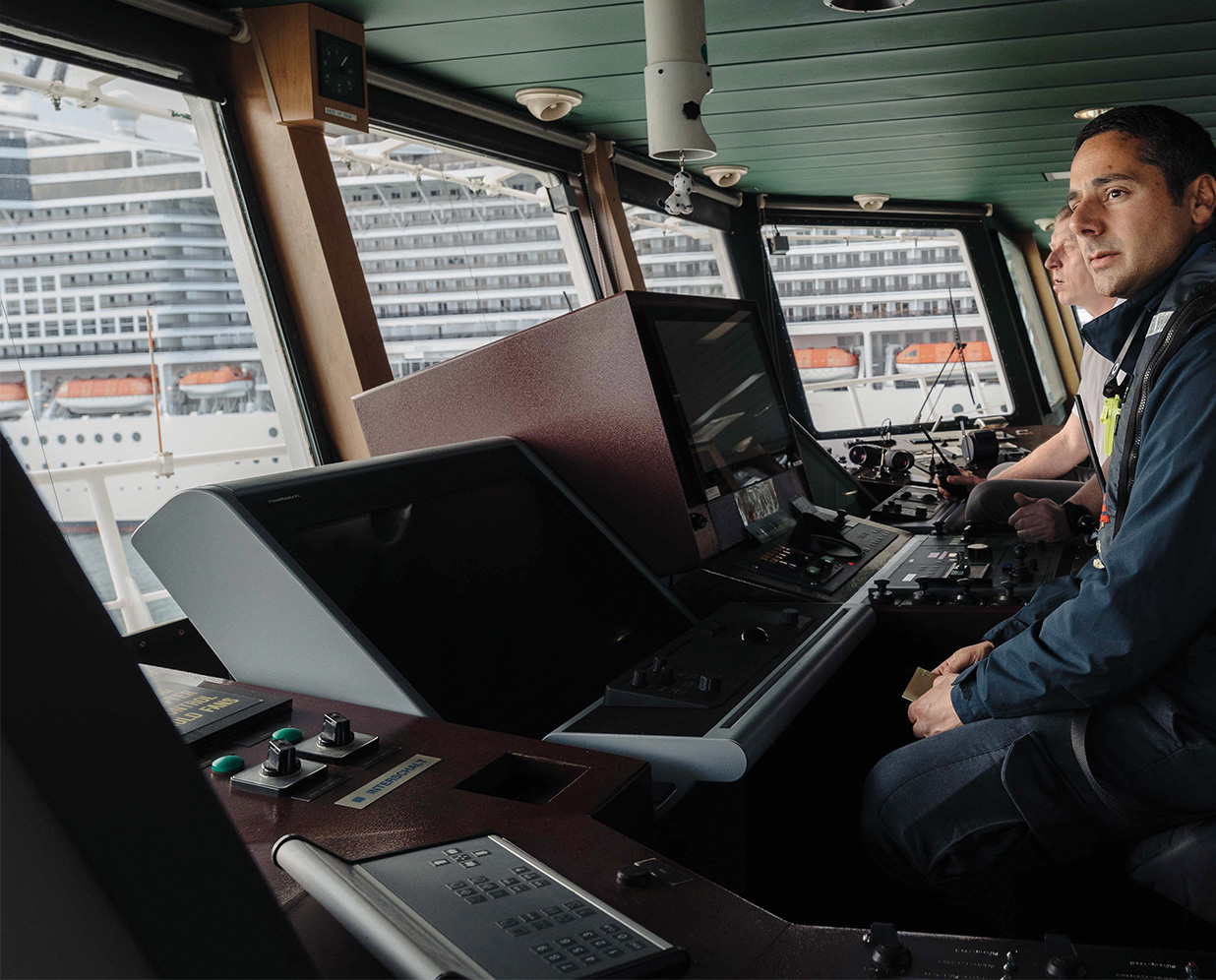
His tenure is marked not by dramatic departures from the past but by the careful alignment of tradition with new tools and perspectives. By drawing on his own experience at sea, his work in training, and his Henley MBA, Captain Terence Farrugia has positioned the Cooperative to face the coming decades with both confidence and clarity.
The value of this work is clear. Every ship that enters or leaves its harbours does so with the assurance that the pilots guiding it are highly skilled navigators; members of an organisation deeply invested in Malta’s success. In the steady course charted by Captain Farrugia and his colleagues, Malta’s maritime industry finds both security and opportunity – today, and in the years ahead.