

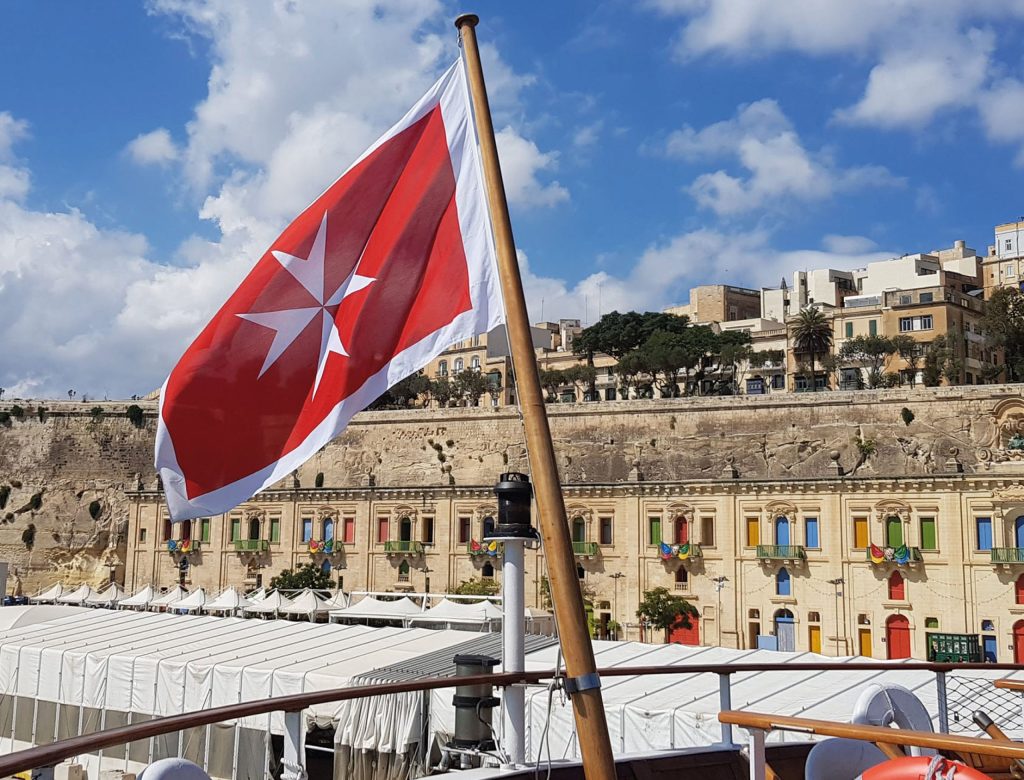
In 2024, Malta’s Ship Registry clocked a remarkable 9.98% growth rate – the highest among the world’s top ten registries – according to Clarkson Research’s World Fleet Monitor. But growth, Dr Tabone is quick to clarify, is not an end in itself. “It’s not just a question of growth. We prioritise on the composition and quality of the fleet, not simply its size,” he notes.
Each vessel registering under the Maltese flag is subject to a multilayered assessment: age, maintenance history, technical management, crew welfare, and port state performance. Only vessels that meet these standards make it through, “thus ensuring that ships not only comply with regulations but also remain operationally safe and environmentally responsible,” Dr Tabone says. This diligence explains Malta’s strong performance across Port State Control (PSC) rankings and its place on the White Lists of both the Paris and Tokyo Memoranda of Understanding.

BUILDING TRUST THROUGH COMPLIANCE
Integral to Malta’s approach is a robust compliance culture that goes beyond basic checks. Flag state inspectors work in tandem with Recognised Organisations (ROs), while an internal team monitors vessel performance daily. “We’ve built a compliance system that doesn’t rely on reactive measures alone,” says Dr Tabone. “Concerns are addressed early, and always with a view to practical resolution. Our ships need to be compliant in real-world conditions – not just on paper.” This proactive posture safeguards not only Malta’s reputation but also supports shipowners in avoiding operational delays and regulatory pitfalls.
DIGITAL TRANSFORMATION, GROUNDED IN PRACTICE
2025 marks a significant technological leap forward with the rollout of e-certificates, designed to streamline operations while maintaining rigorous international standards. The certificates – compliant with FAL.5/Circ.39/Rev.2 – will feature QR code verification and be usable both online and offline.
We prioritise on the composition and quality of the fleet, not simply its size
But digitisation at the Directorate is not about replacing human interaction. “The aim is to enable it: clients still highly value that direct contact,” Dr Tabone observes. “Our team, including senior officers, remains personally reachable around the clock. That kind of accessibility doesn’t go out of style.”
A clear example of this customer-first philosophy was the pilot programme for the e-certificates. The Registry invited a core group of long-standing clients to test and refine the system – an open-door feedback loop that Dr Tabone describes not as a technical formality, but as a genuine collaboration. “It wasn’t just a test – it was a two-way and multi-faceted conversation,” he proudly explained. “We value our clients’ input. It’s helped shape a better outcome for everyone.”

POLICIES WITH PURPOSE
Change at Malta’s Registry is always calibrated for impact. Legislative reform, for example, has been key to improving the competitiveness and quality of the fleet. April 2025 saw an amendment to the Merchant Shipping Act: the maximum age for vessel registration was lowered from 25 to 20 years. “It’s a forward-looking measure,” explains Dr Tabone. “We’re actively steering towards a younger, more modern, and ultimately safer fleet.”
Malta is also updating its Commercial Yacht Code (CYC 2025), following a consultative process with industry players. This new version builds on the success of the Small Commercial Yacht Code (sCYC), launched in 2024 for vessels under 24 metres. Meanwhile, the Passenger Yacht Code (PYC) continues to gain traction, serving the growing market of yachts that carry between 13 and 36 passengers. “These are not fringe categories,” Dr Tabone stresses. “They represent important specialisations that need precise, adaptive regulation. We’re listening to these sectors and responding.”
Each vessel registering under the Maltese flag is subject to a multilayered assessment: age, maintenance history, technical management, crew welfare, and port state performance
SERVICE THAT DOES NOT END AT REGISTRATION
Another defining element of Malta’s Registry is its full lifecycle support for clients. From initial registration to renewals and compliance queries, the Directorate remains accessible and engaged. “Decision-makers are directly reachable, 24/7,” says Dr Tabone. “Along with facilitating registration, we are also maintaining relationships.” This model has allowed Malta to cultivate long-standing ties with clients, building a service culture that is as much about continuity as it is about convenience.
COMPETITIVITY IN CREDIBILITY
Asked about what makes Malta competitive, Dr Tabone does not reach for buzzwords. “Credibility, accessibility, and consistency,” he says simply.
As an EU member, Malta offers legal certainty and regulatory alignment. But it’s the reliability of the service – and its real-time responsiveness – that leaves a lasting impression on clients and financiers alike. “High PSC performance, strong tonnage growth, low detention rates – none of these are accidents,” he adds. “They’re the result of sustained commitment and deliberate choices.”
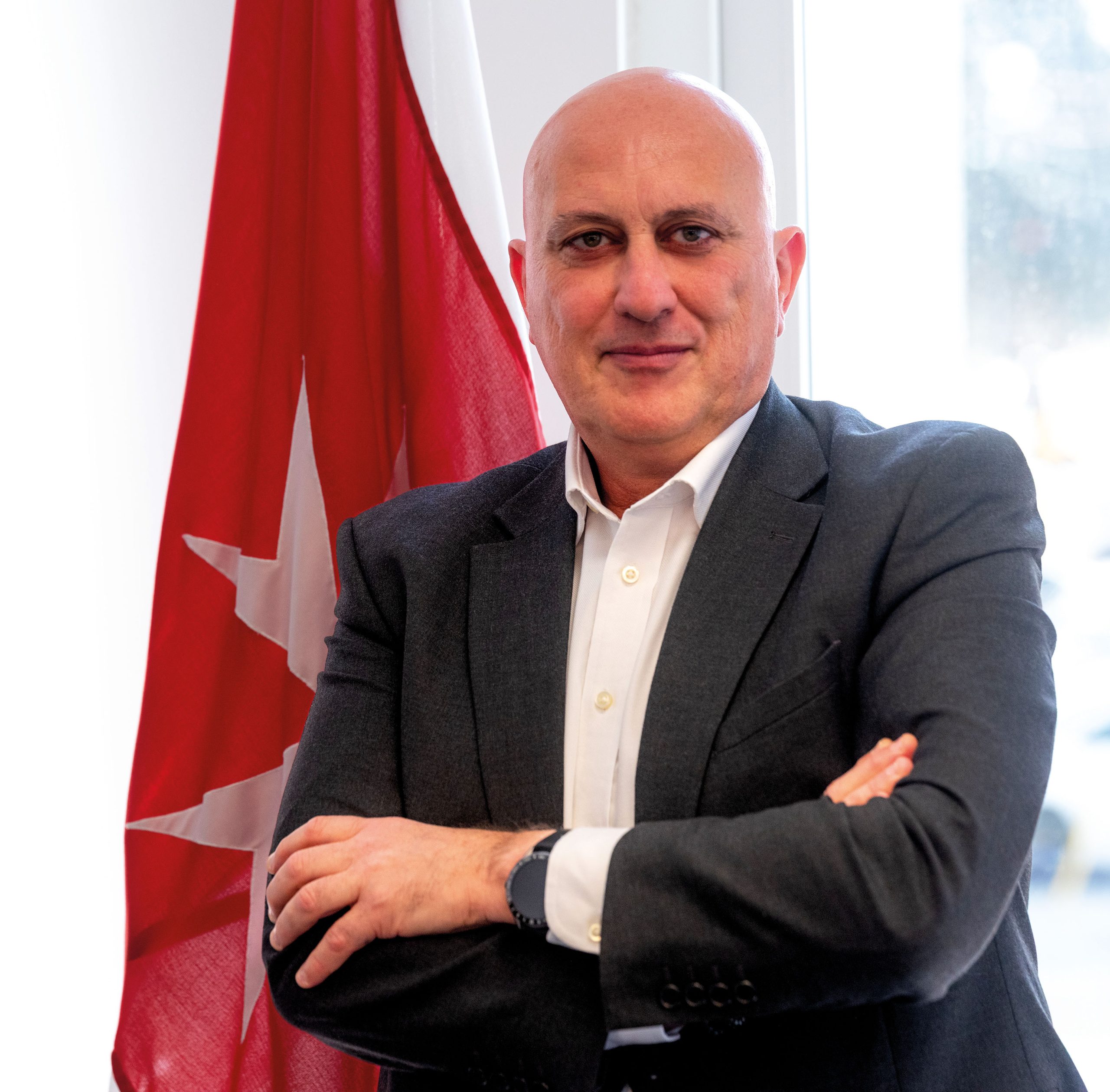
BUILDING CAPACITY IN PEOPLE
Working with national institutions, the European Commission, and the OECD, the Registry is identifying skills gaps and launching plans to futureproof the maritime workforce. “The future of shipping depends as much on ships as it does on its people,” Dr Tabone emphasises. “We’re aligning education, training, and career development with the evolving needs of the industry. This means rethinking everything from curriculum design to seafarer certification, with an eye on long-term resilience.”
Along with facilitating registration, we are also maintaining relationships
Dr Tabone also expressed his faith in the team behind him. “I have always believed that the true ingredient behind our success lies in the dedicated team of silent heroes within our Administration. Driven by a shared goal and a collective sense of purpose, day in, day out, they give their utmost, often behind the scenes.
This commitment, professionalism, and unity truly set us apart. To me, they are more than just colleagues as they are one extended family.”
AN INTERCONNECTED ECOSYSTEM
Malta’s strength does not reside in its Registry alone. It’s the wider ecosystem – surveyors, legal advisors, maritime lawyers, financial service providers – that makes the island an optimum destination of choice for shipowners. “The level of coordination and professionalism across Malta’s maritime sector is extraordinary, and quite difficult to emulate,” says Dr Tabone. “Clients experience it not as isolated services, but as a seamless, end-to-end support network.”
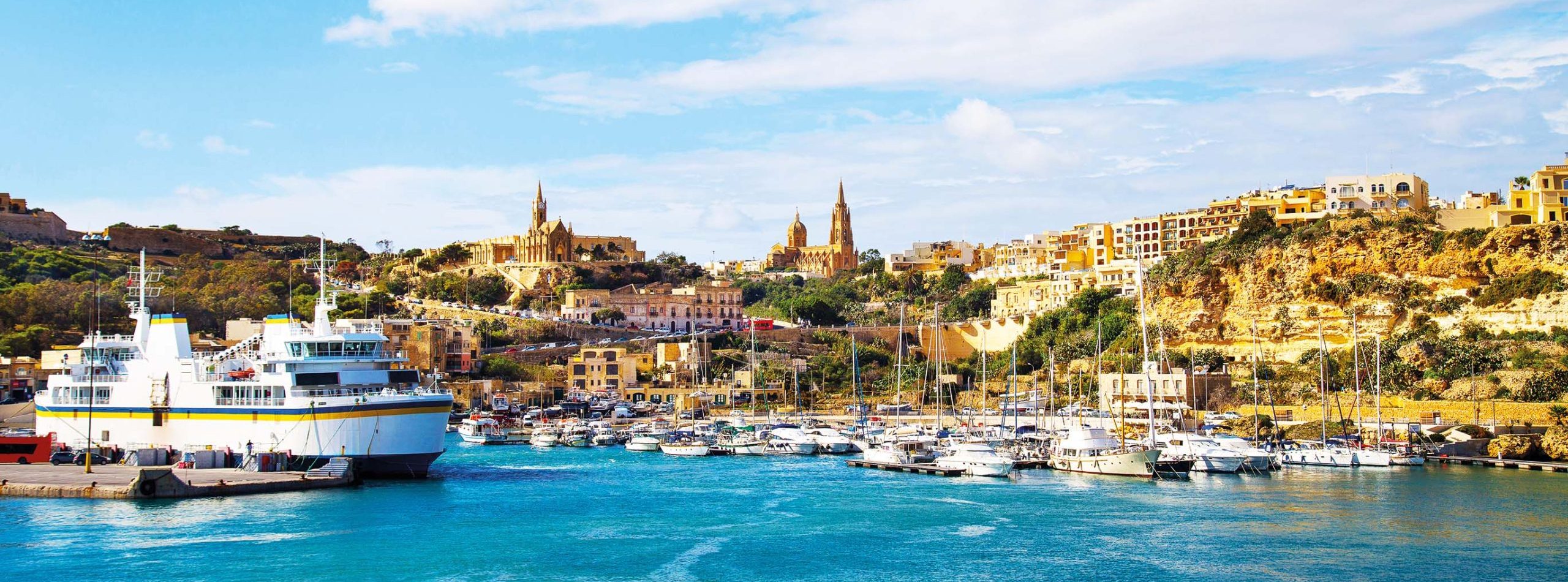
This is a synergy that adds significant value, from the drawing board to day-to-day operations, and encompasses some of the world’s experts in their respective fields. This is one of Malta’s competitive edges.
EXPERIENCE MEETS INTENTION
Dr Tabone’s background – rooted in both practical service delivery and academic study – has equipped him with a rare blend of insight and clarity.
the Registry is identifying skills gaps and launching plans to futureproof the maritime workforce
His legal and maritime studies have complemented his operational experience. But more than theory, it’s the exposure to various facets of the industry – from training and certification to flag state responsibilities – that enables him to lead with clarity. “Education gave me the tools; experience taught me how to use them” is his modest summary of a leadership style that relies less on rhetoric and more on the understanding: of systems, of clients, and of the evolving demands of global shipping.

A CULTURE OF LISTENING
If one theme runs through the Registry’s ongoing story, it is this: progress through partnership. From e-certifications to legislative changes, Dr Tabone and his team have anchored Malta’s registry culture in open communication.“We don’t over-promise. But we do deliver,” he says. “It’s that delivery – reliable, consistent, transparent – that earns trust.” This trust in Malta’s Registry is far from taken for granted. The Registry’s collective culture ensures that it is renewed with every registration, every late-night call, and every effort to balance regulatory integrity with commercial realities.
PURPOSE IN MOTION
In many ways, Dr Tabone’s leadership is a reflection of the very registry he helms: steady, deliberate, quietly ambitious, and entirely grounded. “Institutional memory gives us depth. But listening to the market and continually setting new standards of quality gives us direction,” he says. The direction is hence clear: to uphold the Registry’s reputation through measurable standards and practical reform, while adapting to the technical, legal, and environmental demands that continue to reshape global shipping.
The level of coordination and professionalism across Malta’s maritime sector is extraordinary, and quite difficult to emulate
Through evolving regulations, robust compliance, digital innovation, and a firmly human approach, Malta’s Ship Registry remains a standout performer. It is led not by marketing slogans, but by practitioners like Dr Tabone and his team, who understand that consistency, responsiveness, and an insistence to maintain and elevate standards are the real currencies of trust – and in turn – organic growth.