
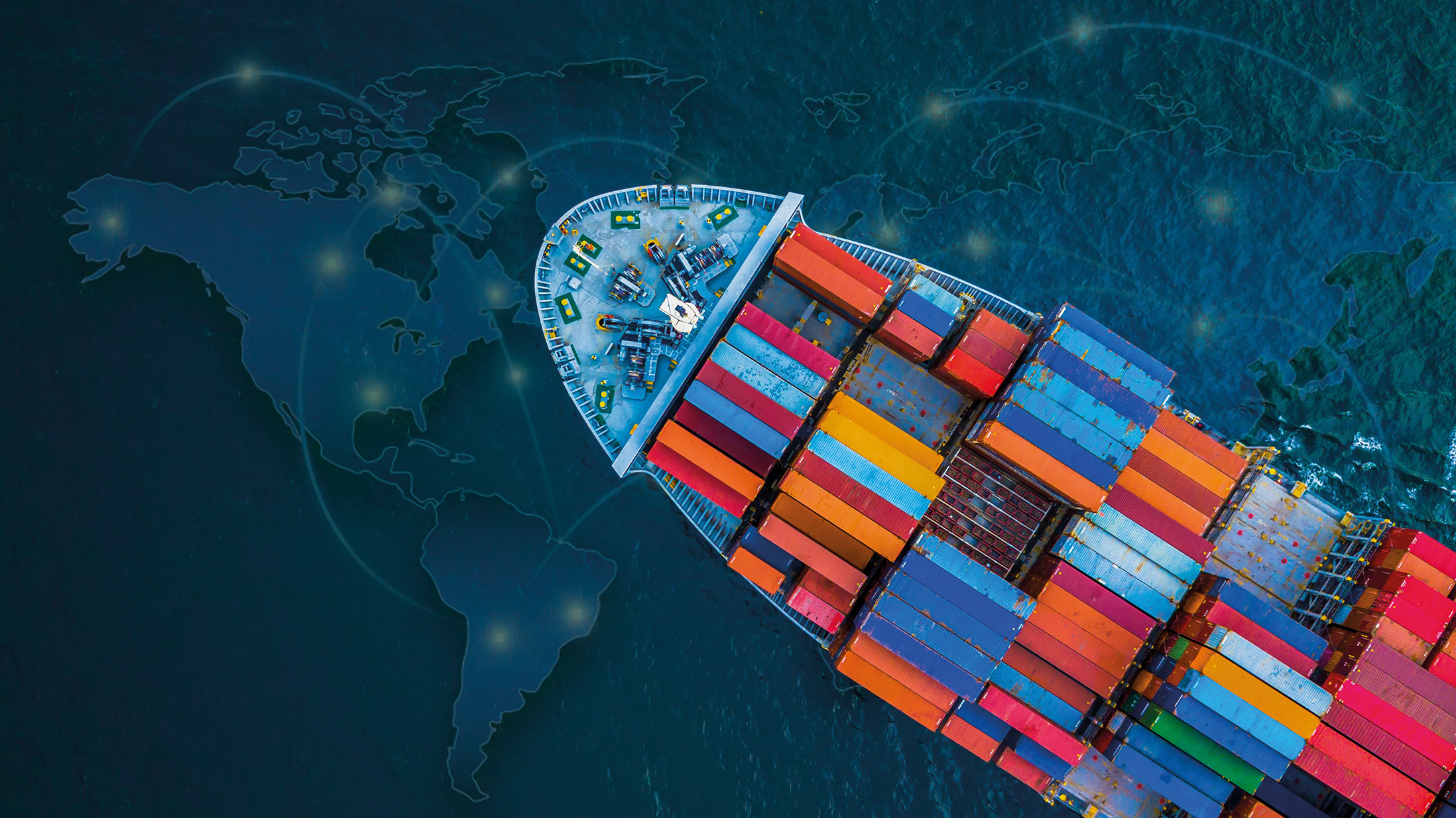
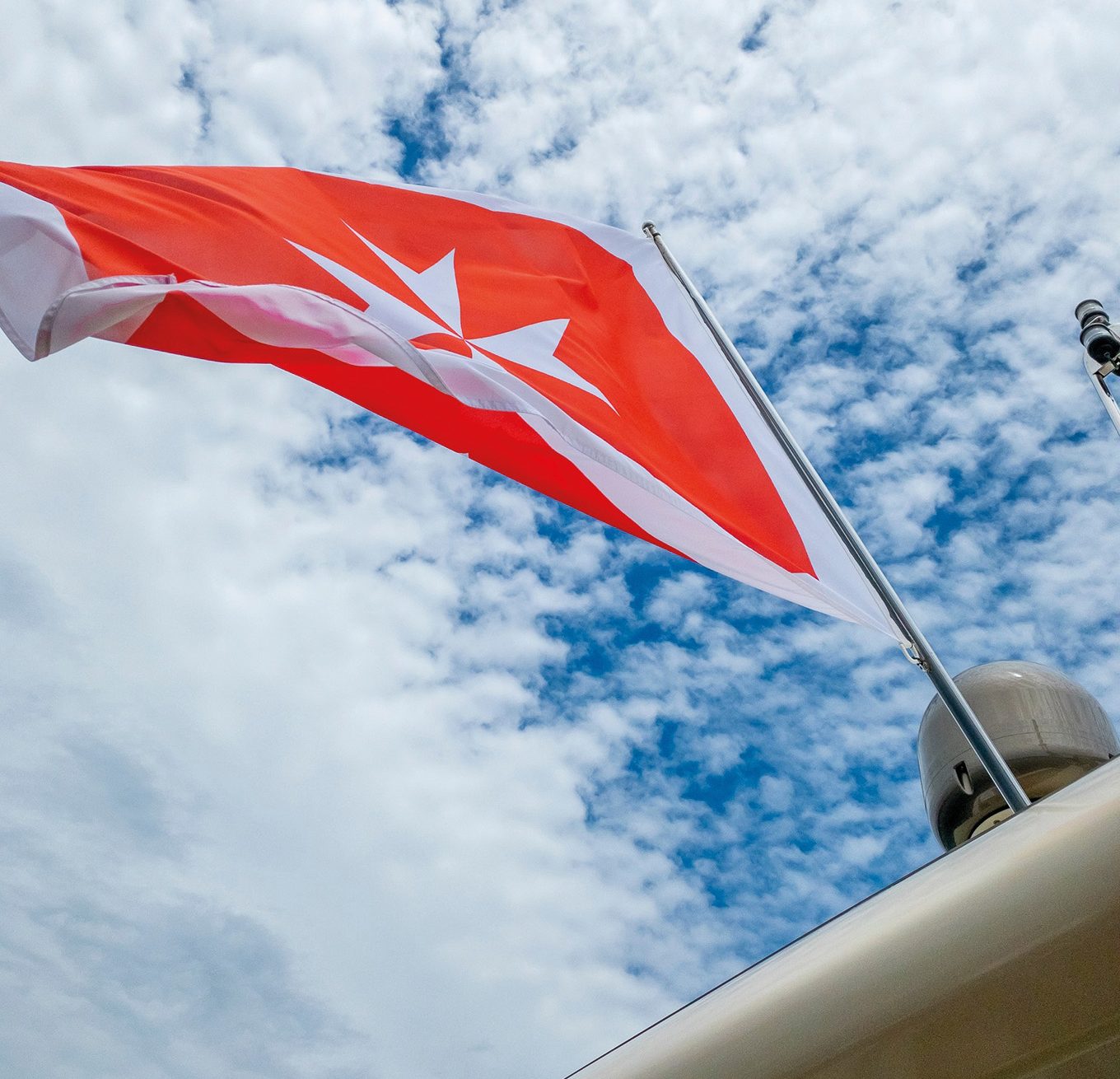
 One of the most visible milestones of the past year has been the digitalisation of Malta’s ship registry, a process long anticipated by industry stakeholders. “It was a mammoth task; it took time,” Callus notes, “but the team behind it made it happen.” The move brought Malta in line with those competing registries which were already offering integrated digital services, “and in so doing, streamlining processes that are fundamental to a modern flag administration.”
The initiative coincided with a period of recovery for the registry itself, following losses incurred when sanctions forced the Maltese flag to relinquish vessels.
Rather than attempting to offset those losses through opportunistic flag transfers, Callus explains that growth came organically. “You have a certain amount of new ships being built under your flag,” he says, pointing to fleet renewal as a stabilising factor. The emphasis, he stresses, remains firmly on standards. Tariffs and taxation, often assumed to be decisive, are secondary. “The vital element is safety control.”
Tariffs and taxation, often assumed to be decisive, are secondary. The most important element is safety control
This focus underpins Malta’s standing as a flag state. Vessels registered under the Maltese flag are subject to ongoing inspections and compliance checks aligned with International Maritime Organization conventions. Callus is careful to frame this not as an abstract commitment, but as an operational discipline requiring constant vigilance. Malta’s active participation within the IMO structure, including representation on executive committees and involvement in pollution-related initiatives, reinforces this approach.
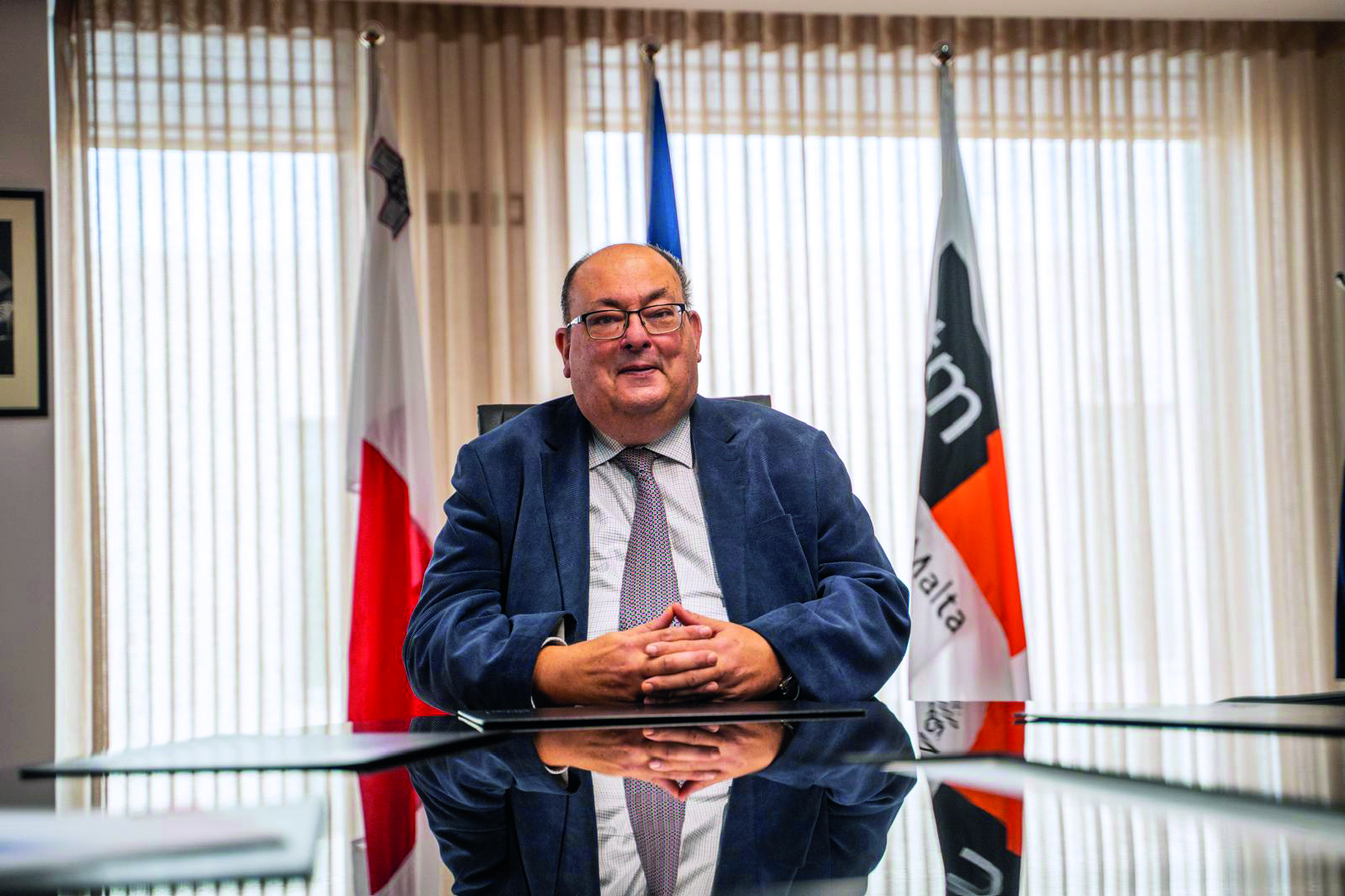
the 2023-24 National Audit Office assessment recognised significant improvement in governance and internal controls
Oversight extends beyond the registry to the country’s ports, which fall under Transport Malta’s broader maritime remit. In 2024, the Authority underwent a European Commission audit assessing safety procedures, pollution controls, and regulatory compliance across Malta’s four principal ports – Valletta, Marsaxlokk, Marsamxett, and Gozo. “There were no red flags,” Callus recalls. “Only minor observations. Overall, we did quite well.” For him, the outcome reflected not only operational competence, but the cumulative effect of internal reforms undertaken in recent years.
Those reforms form a significant part of Callus’ tenure as Chairman. When he assumed the role, Transport Malta was emerging from a period of intense scrutiny. Rather than distancing himself from that context, he addresses it directly. Recovery, he explains, was achieved through gradual reorganisation rather than abrupt change. Central to this process was the decentralisation of core administrative functions. Human Resources, Procurement, and Accounts – once grouped together – were separated into distinct departments, each with clearer accountability and oversight.
The results of this approach were reflected in the recent National Audit Office assessment, covering the 2023–2024 period. While careful not to overstate its scope, Callus notes that the report recognised significant improvement in governance and internal controls. For him, the value of such assessments lies less in public validation and more in identifying gaps, formalising procedures, and embedding consistency.
Transport Malta’s remit encompasses not only the ship registry and port safety, but also harbour master functions, maritime enforcement, and the upkeep of port infrastructure. “Nothing really happens without Transport Malta’s involvement,” Callus remarks. That visibility, he acknowledges, brings exposure – particularly in an era where public perception is often shaped by headlines rather than full context. Recent controversies, amplified through social media, underline the importance of communication alongside regulation.
Callus’ leadership style is shaped by a career that began at sea and expanded across continents. He entered the maritime sector as a cadet with Sea Malta in the late 1970s, spending eight years at sea before transitioning ashore into operational roles. From there, his career progressed into senior management within international shipping and logistics companies, with postings across Europe and the Middle East and responsibility for thousands of employees and substantial budgets. “When you work in a global organisation,” he reflects, “you learn accountability very quickly. Decisions have consequences.” That experience informs his perspective on the environmental transition now reshaping maritime operations.
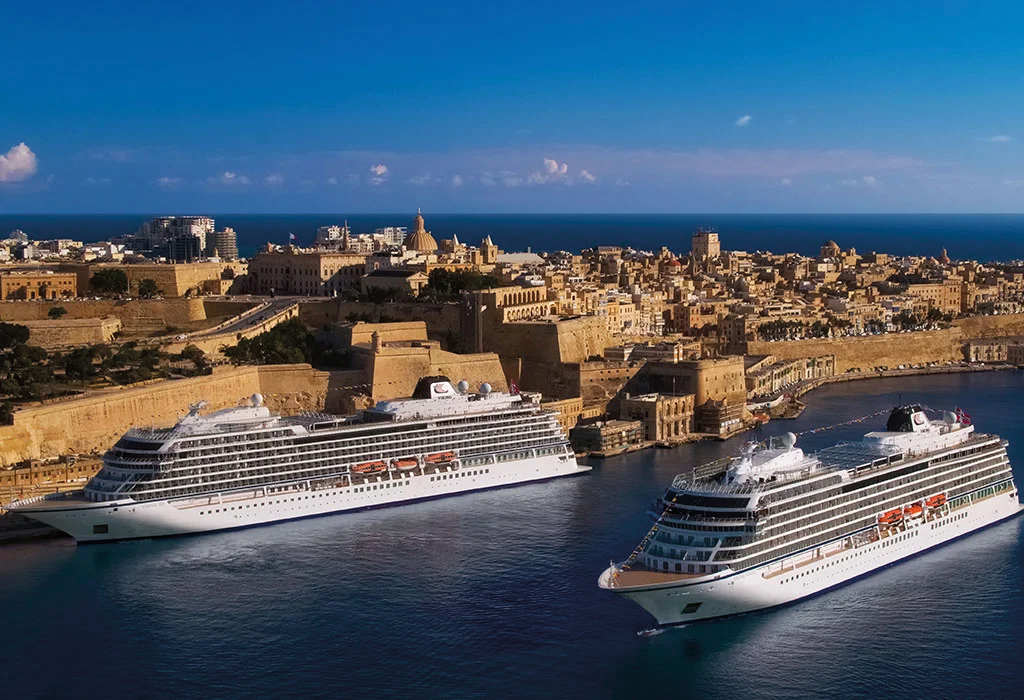
One of Transport Malta’s such and most significant recent undertakings has been the implementation of shore-to-ship power supply infrastructure for cruise liners, enabling vessels to reduce emissions while berthed. The project, co-financed by the EU, required coordination with Infrastructure Malta, Enemalta, and multiple stakeholders. Transport Malta now manages not only the infrastructure, but also the operational, contractual, and insurance frameworks supporting it. Malta, Callus notes, was among the first ports in the Mediterranean to operationalise such a system.
Fuel taxation regimes and emissions-related charges risk diverting traffic to non-EU ports … Cruise traffic, by contrast, is less elastic. If they want to come to Malta, they have to come to Malta
Throughout the discussion, Callus avoids positioning himself as a singular driver of change. Instead, he consistently credits collective effort – executive teams, departmental heads, and civil servants working within a clearer framework than existed before. His role, as he sees it, is one of stewardship rather than command: providing direction, drawing on experience, and ensuring that systems function as intended.
The picture that emerges is one of consolidation rather than spectacle. Transport Malta’s maritime remit has been reinforced through structure, process, and incremental improvement, aligned with the operational demands of modern shipping. These developments, as Callus presents them, are rooted in continuity – both institutional and personal.
Global trade continues to expand incrementally, and capacity constraints across the Mediterranean suggest that demand will persist
As Malta navigates an increasingly complex maritime landscape shaped by regulation, environmental expectations, and geopolitical uncertainty, the emphasis on sound governance and credibility remains central. In a sector where reputation is built slowly and tested often, stewardship grounded in experience continues to be one of the Authority’s most valuable assets.